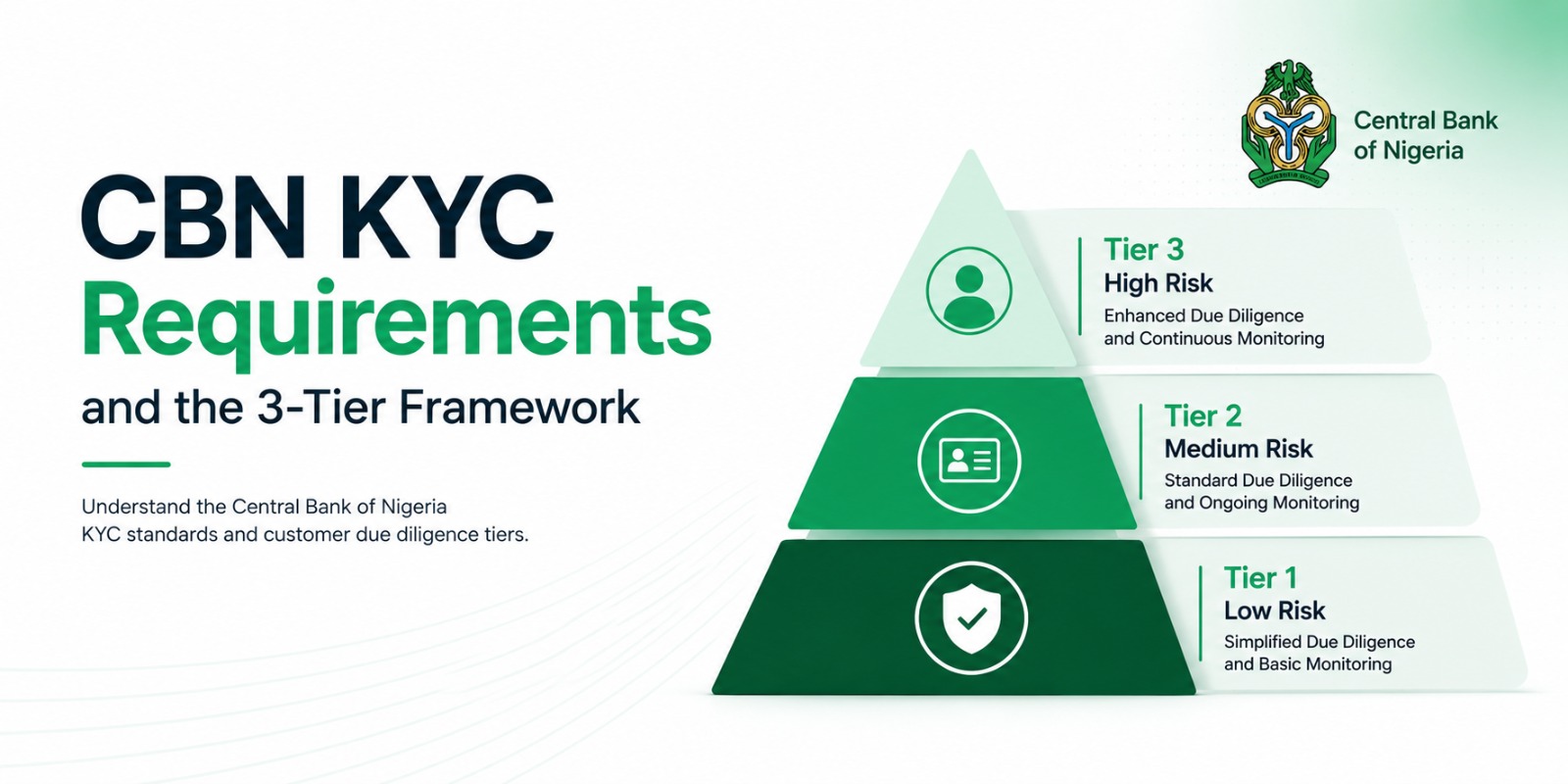
CBN KYC Requirements and the 3-Tier Framework - A Developer's Guide (2026)
A developer-focused guide to Nigeria's CBN three-tier KYC framework - what identity each tier requires, and where face liveness, document OCR, and face matching fit.
Implementation playbooks, SDK deep-dives, security architecture notes, and product updates from the team building Africa's identity infrastructure.
A developer-focused guide to Nigeria's CBN three-tier KYC framework - what identity each tier requires, and where face liveness, document OCR, and face matching fit.
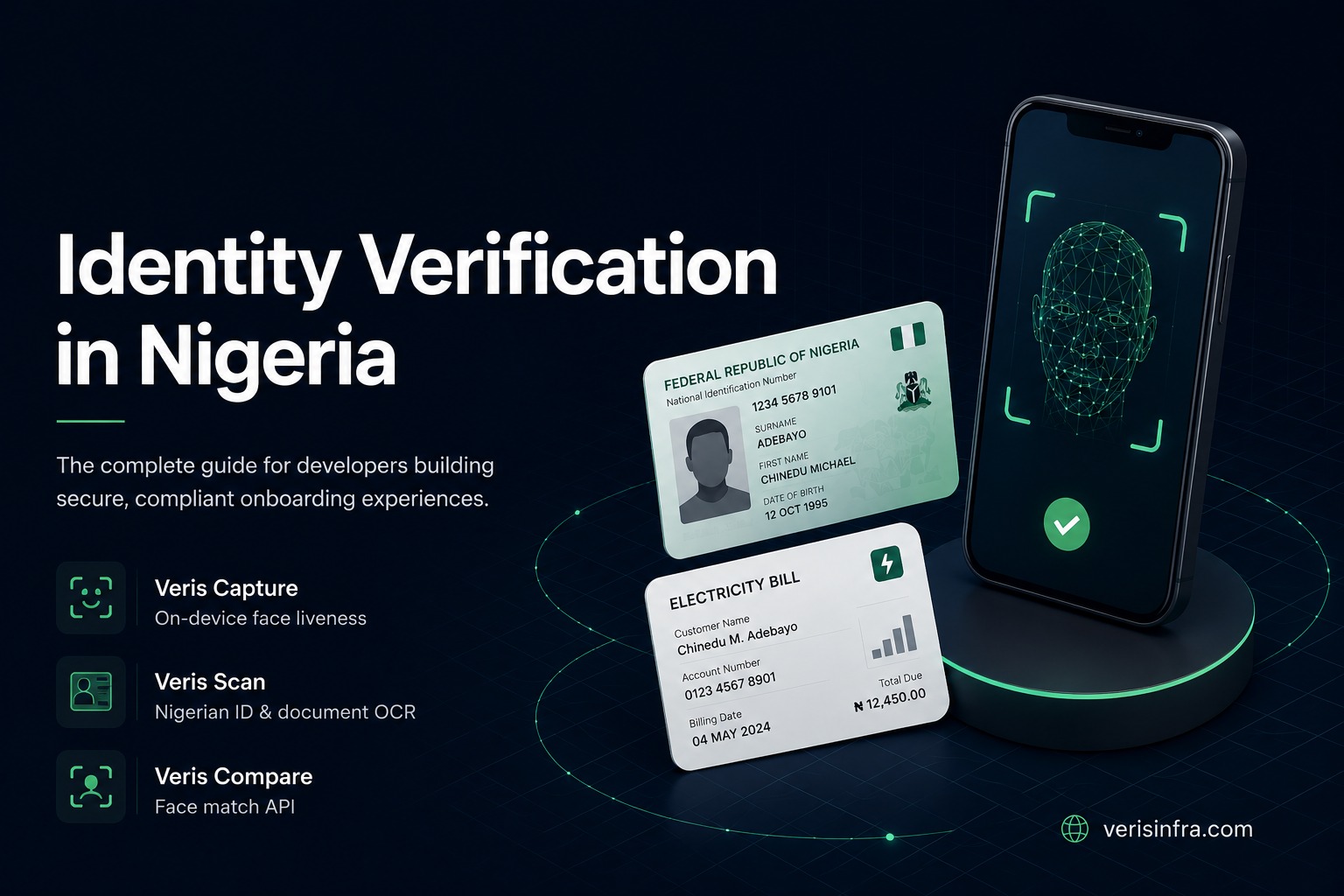
Learn how to build secure, compliant identity verification for Nigerian applications using face liveness, document OCR, and face matching.
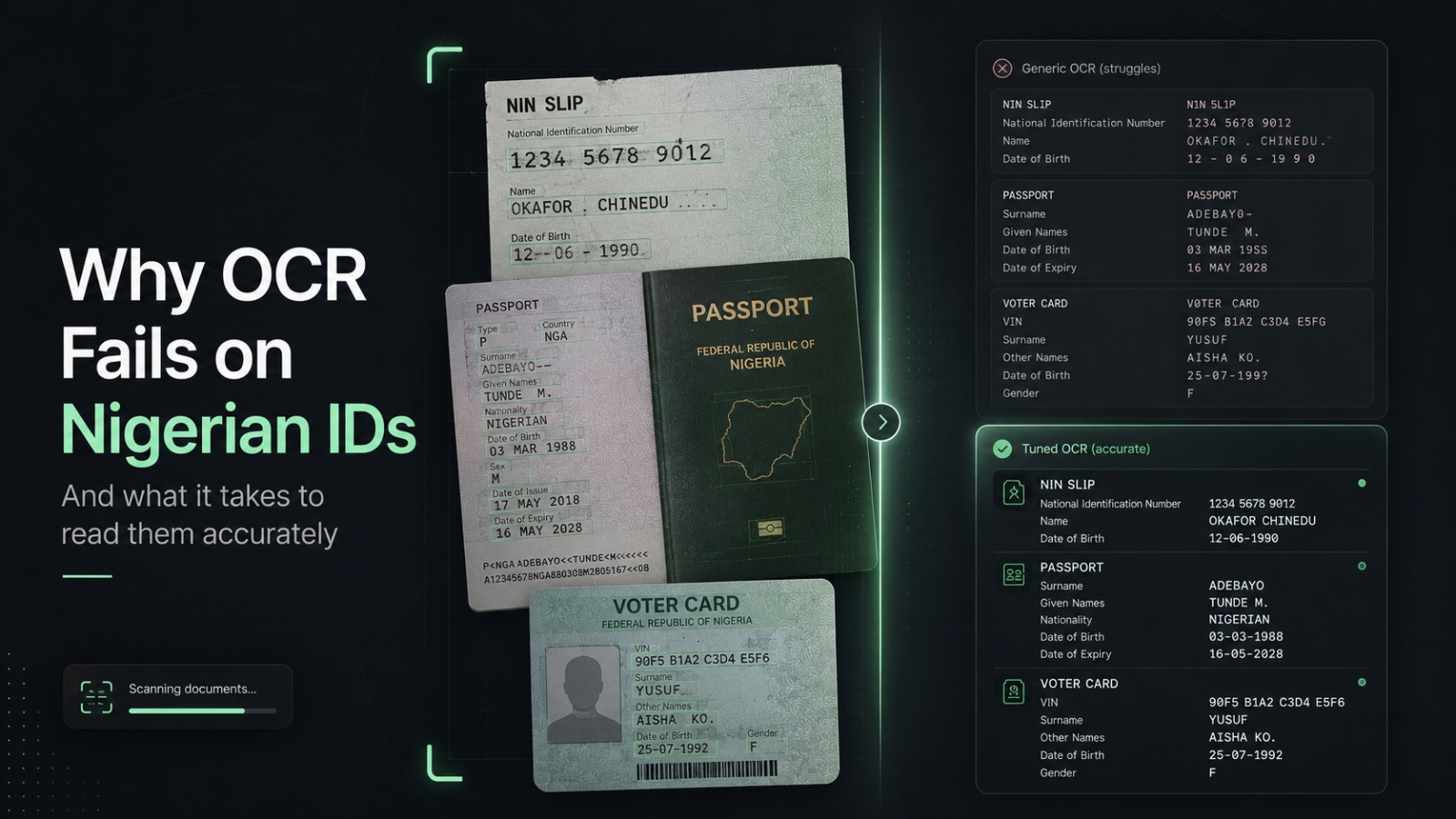
Using a generic OCR library for Nigerian documents is like using a map of London to navigate Lagos. Here’s what makes local ID scanning uniquely hard, and how to get it right.
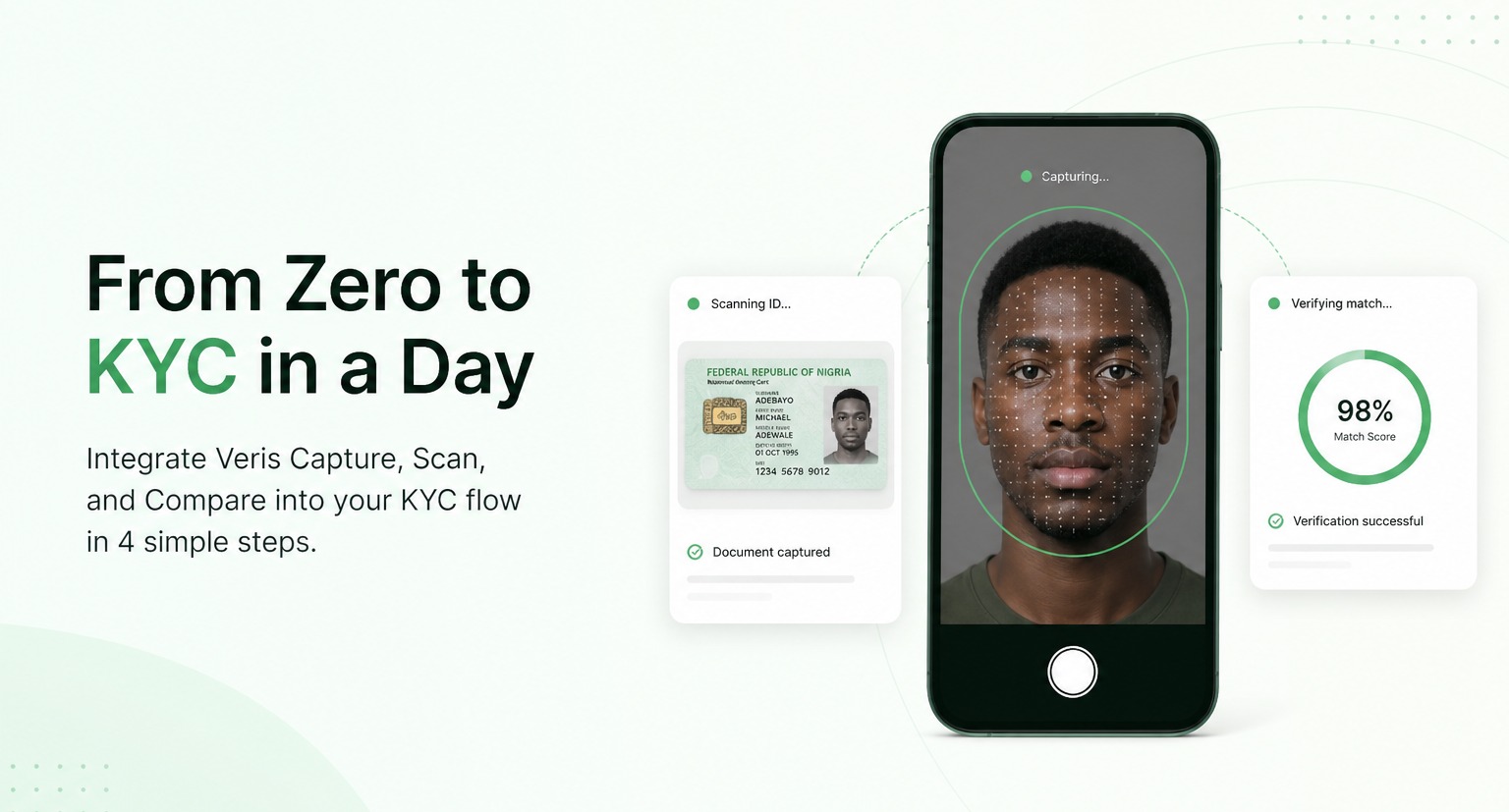
Most teams assume KYC integration takes weeks. It doesn’t. Here’s how fintech teams go from zero to full identity verification in a day using Veris.
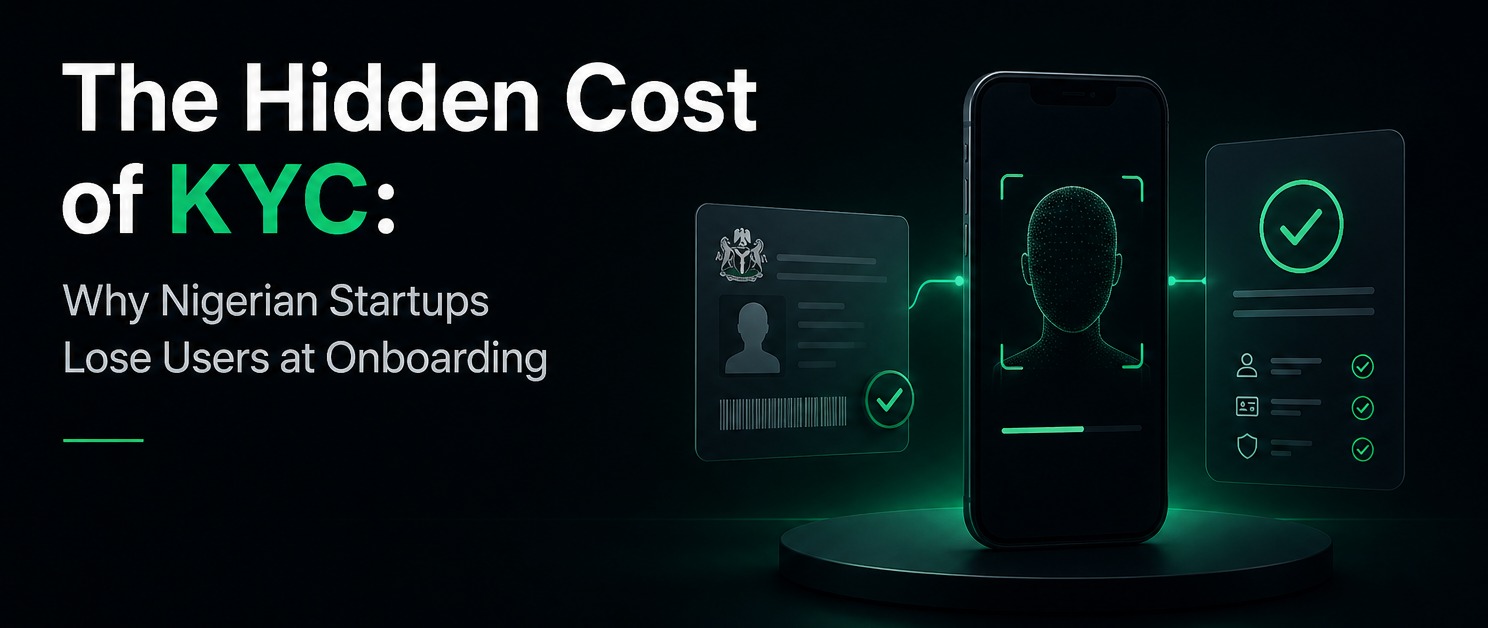
Every time a new user abandons your signup flow because of a clunky identity check, you lose more than a customer, you lose trust, momentum, and revenue. Here’s why KYC is breaking Nigerian fintechs, and how to make it a seamless experience that actually helps you grow.
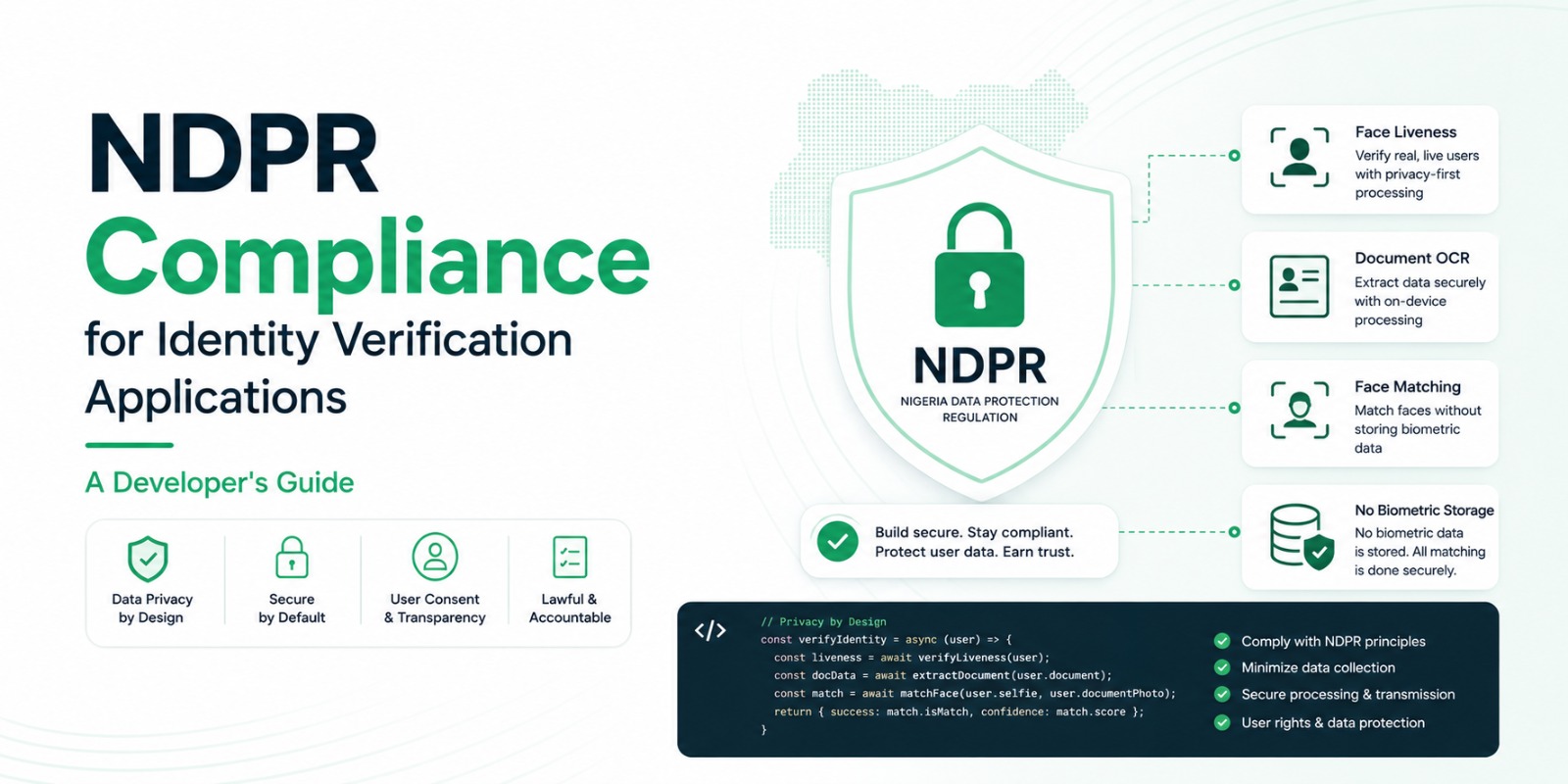
Learn how to design NDPR-compliant identity verification systems for Nigerian applications without sacrificing security or user experience.
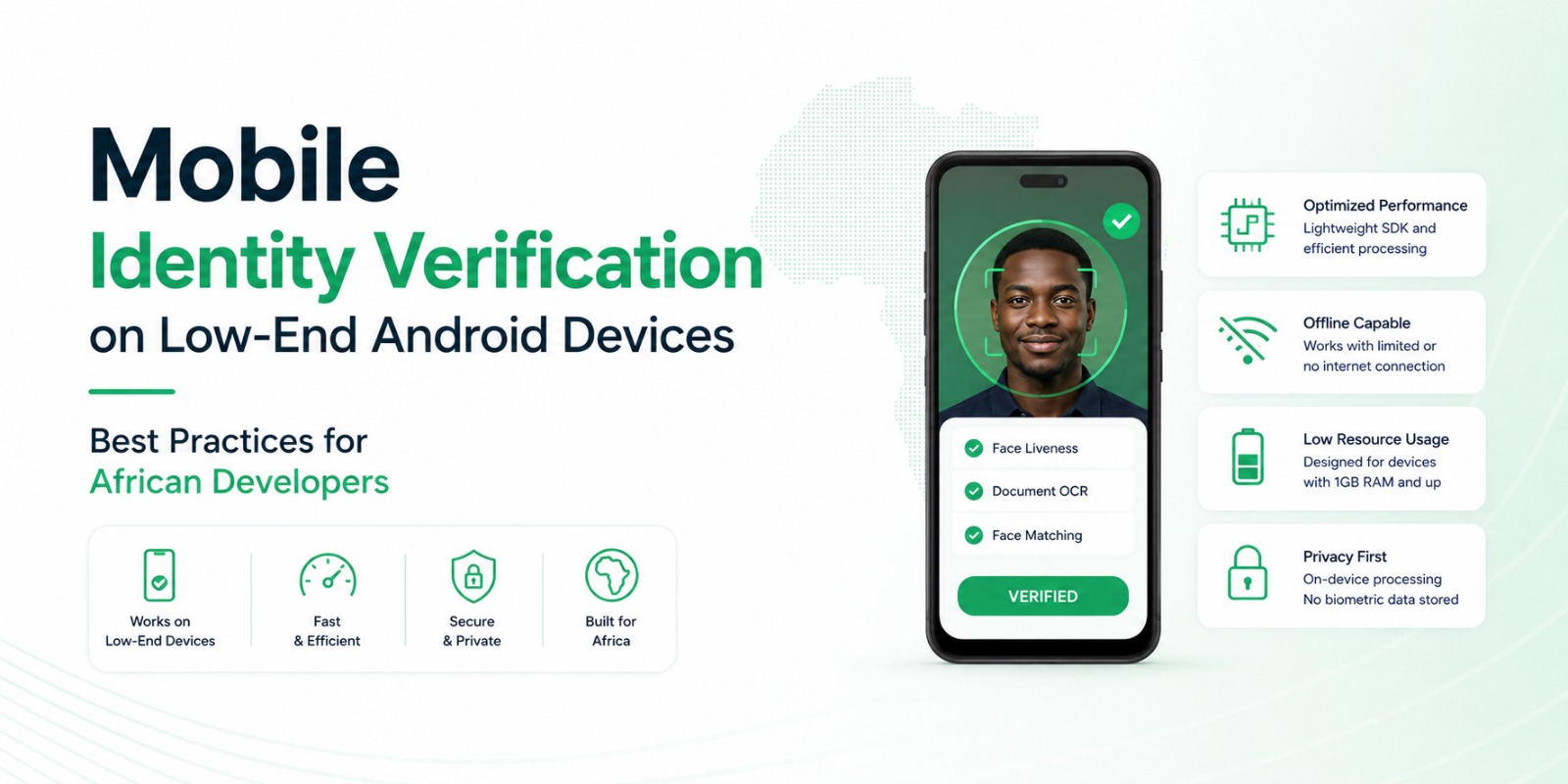
Learn how to build fast, reliable identity verification that works well on the low-end Android devices commonly used across Africa.
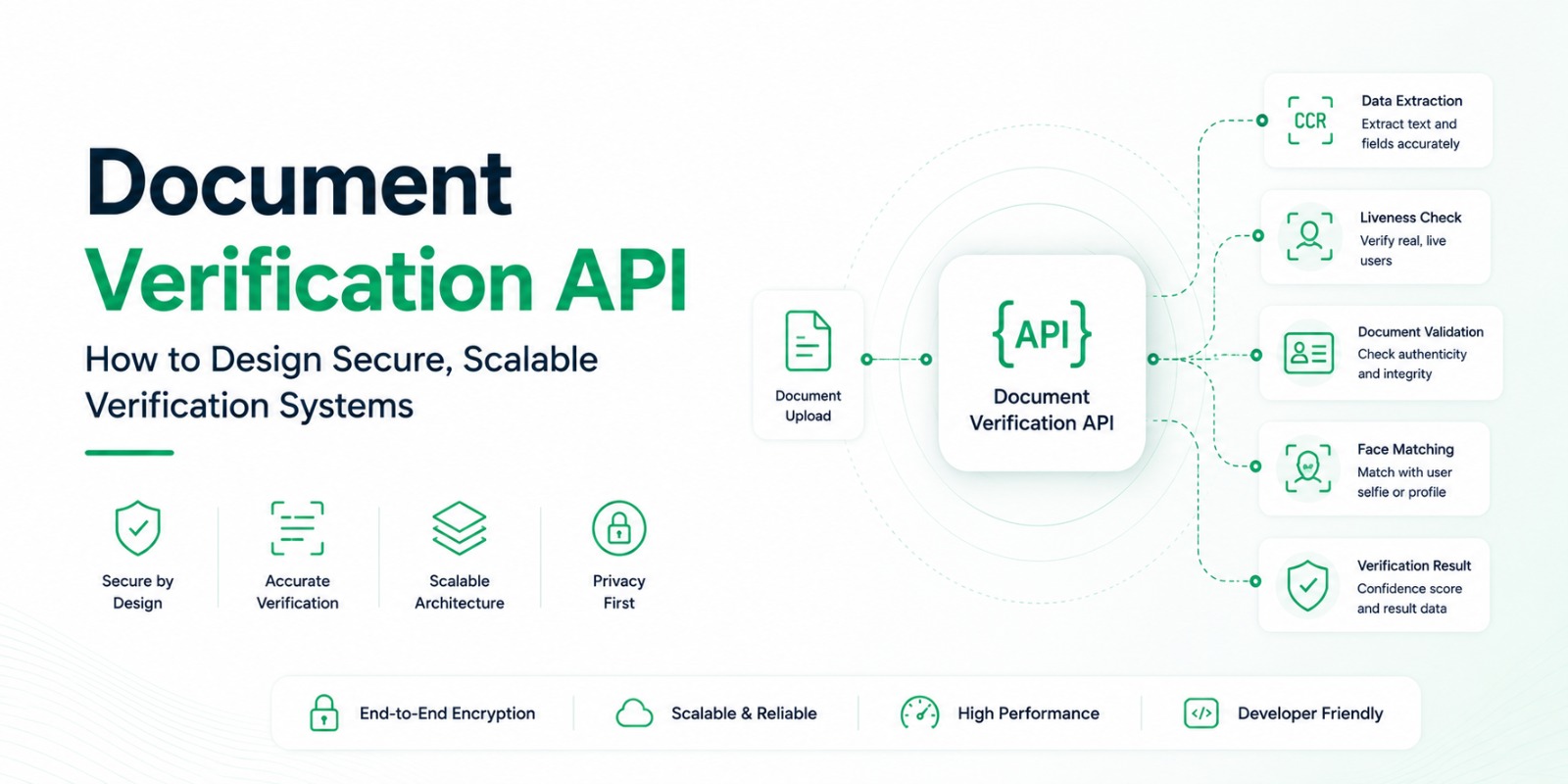
Learn how to design a modern document verification API that is secure, scalable, and optimized for identity verification across African markets.
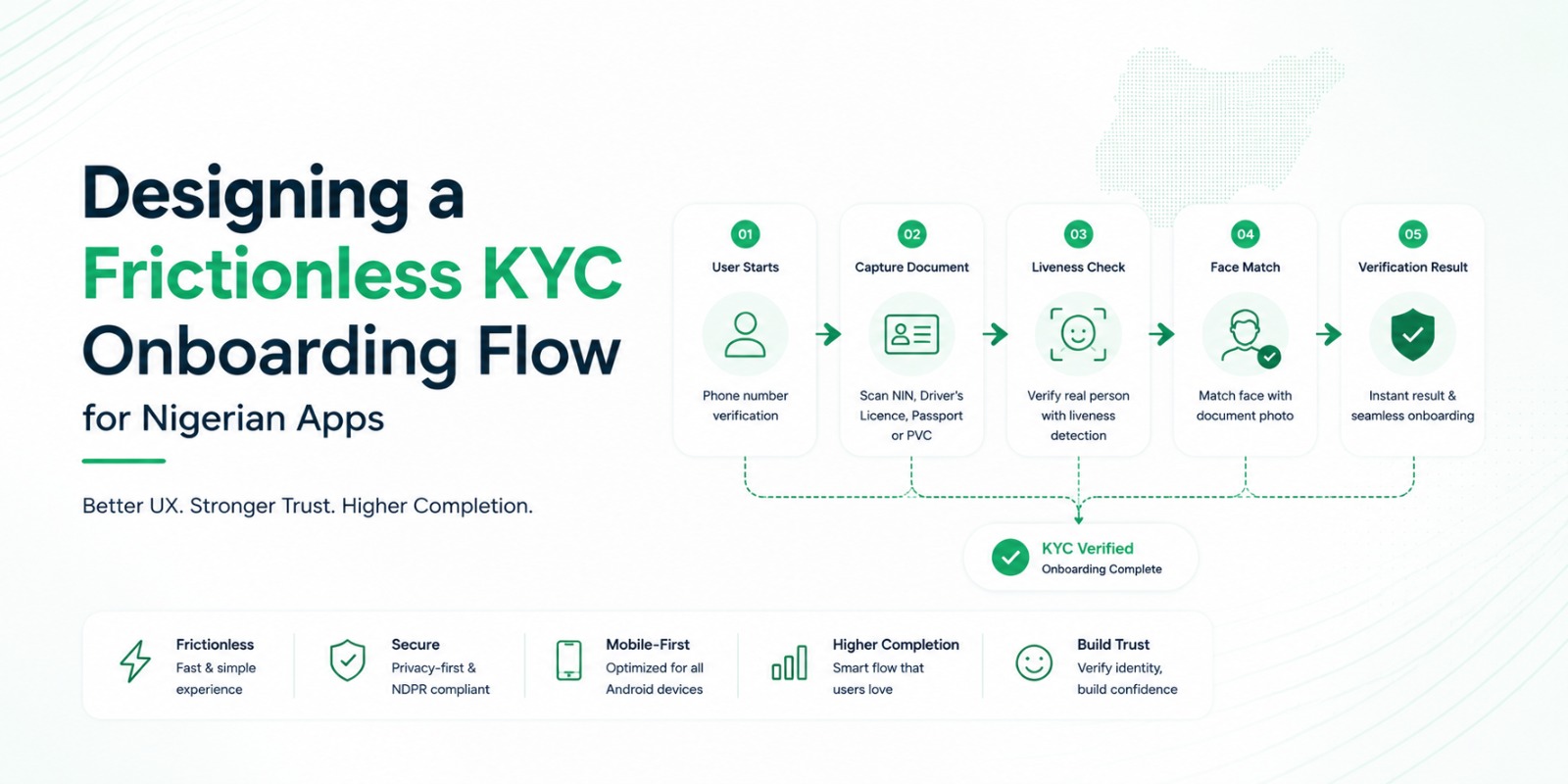
Learn how to design a fast, secure, user-friendly KYC onboarding experience that improves conversion while reducing fraud.
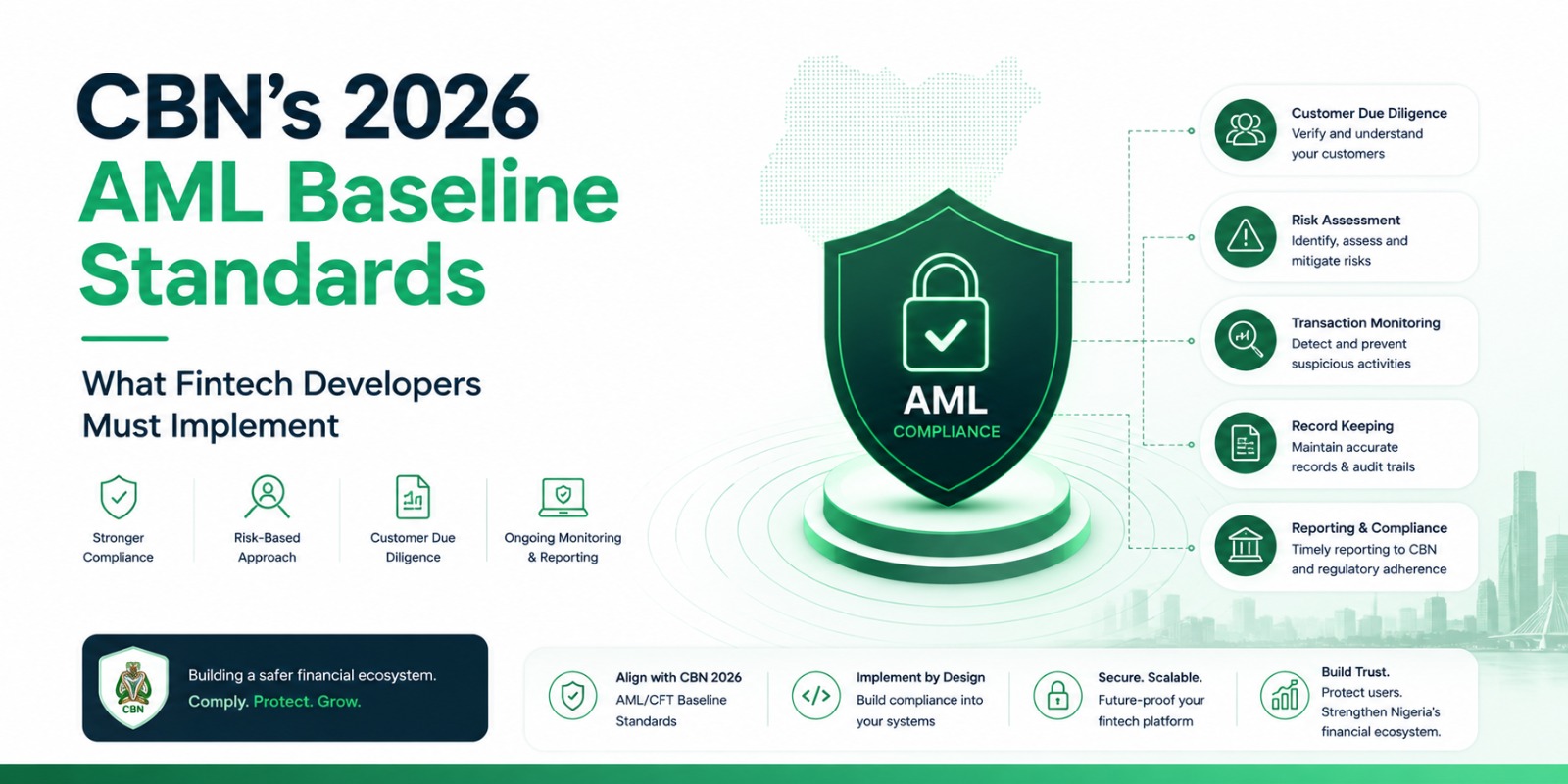
The CBN's 2026 baseline standards make automated KYC, KYB, and AML mandatory for Nigerian fintechs. Here's what it means for developers and how to prepare.
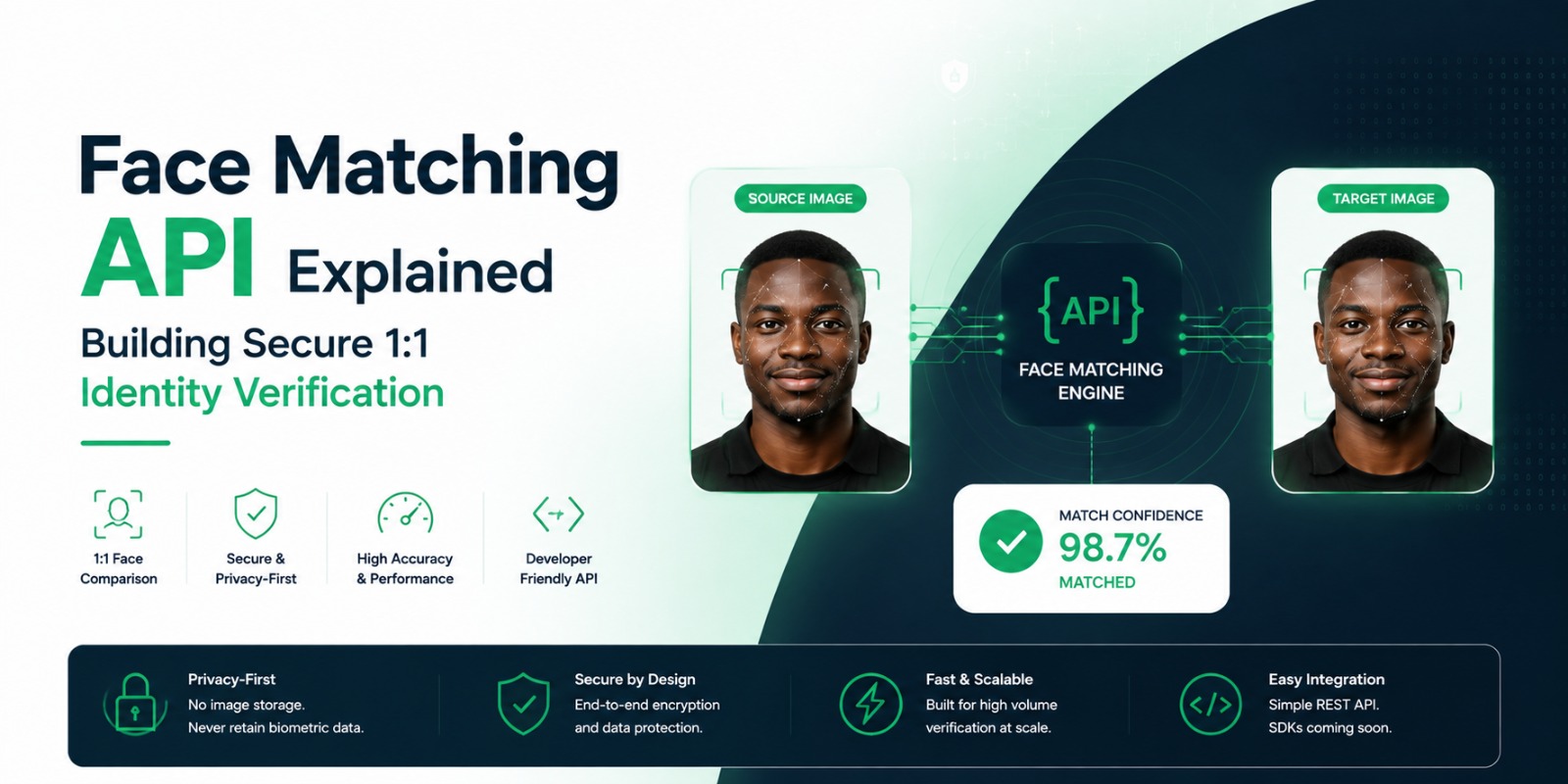
Learn how a face matching API works, why 1:1 face verification is critical for modern KYC, and how to build it without storing biometric data.
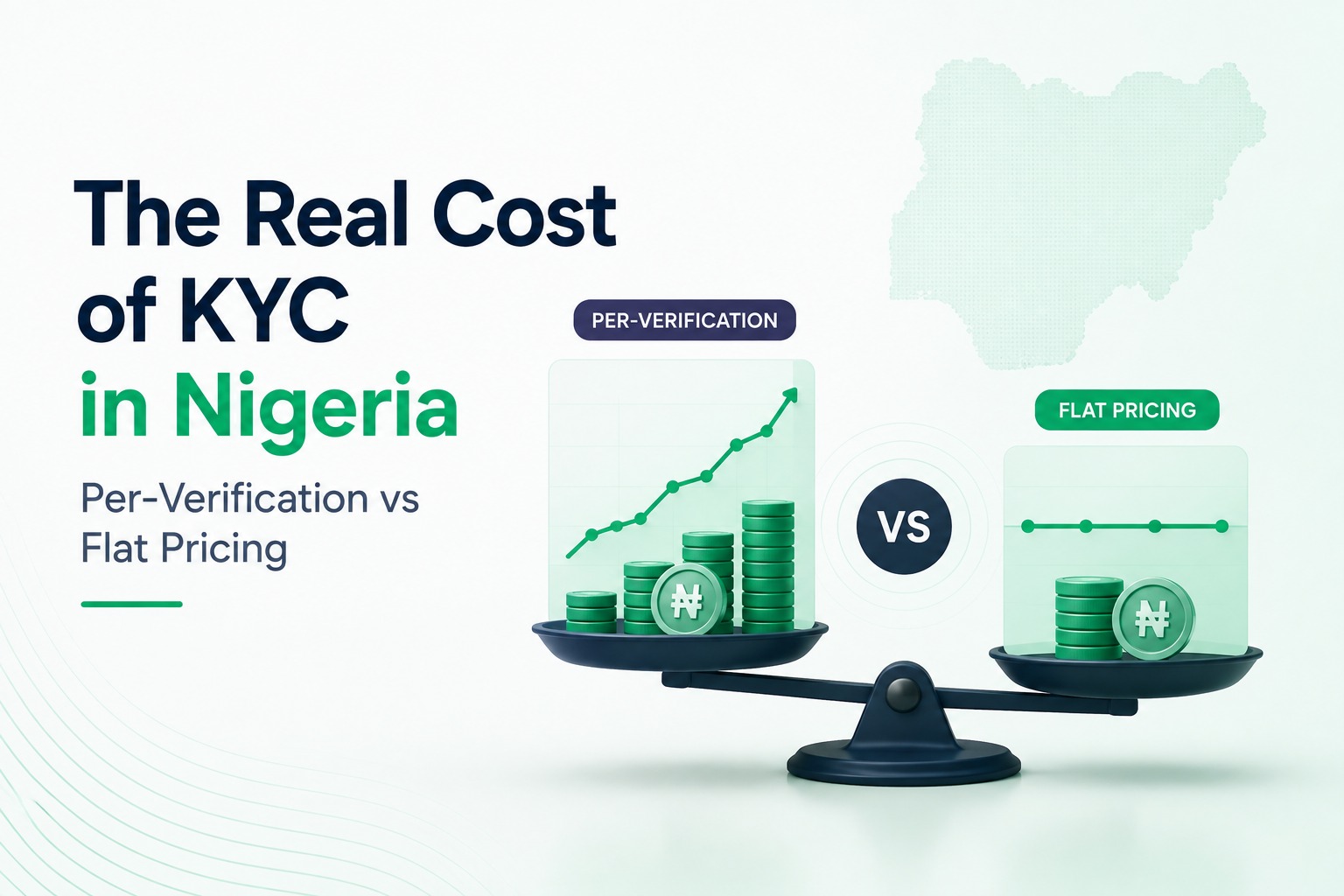
How KYC pricing actually works in Nigeria, why per-verification fees punish growth, and how to model the true cost of your onboarding stack.
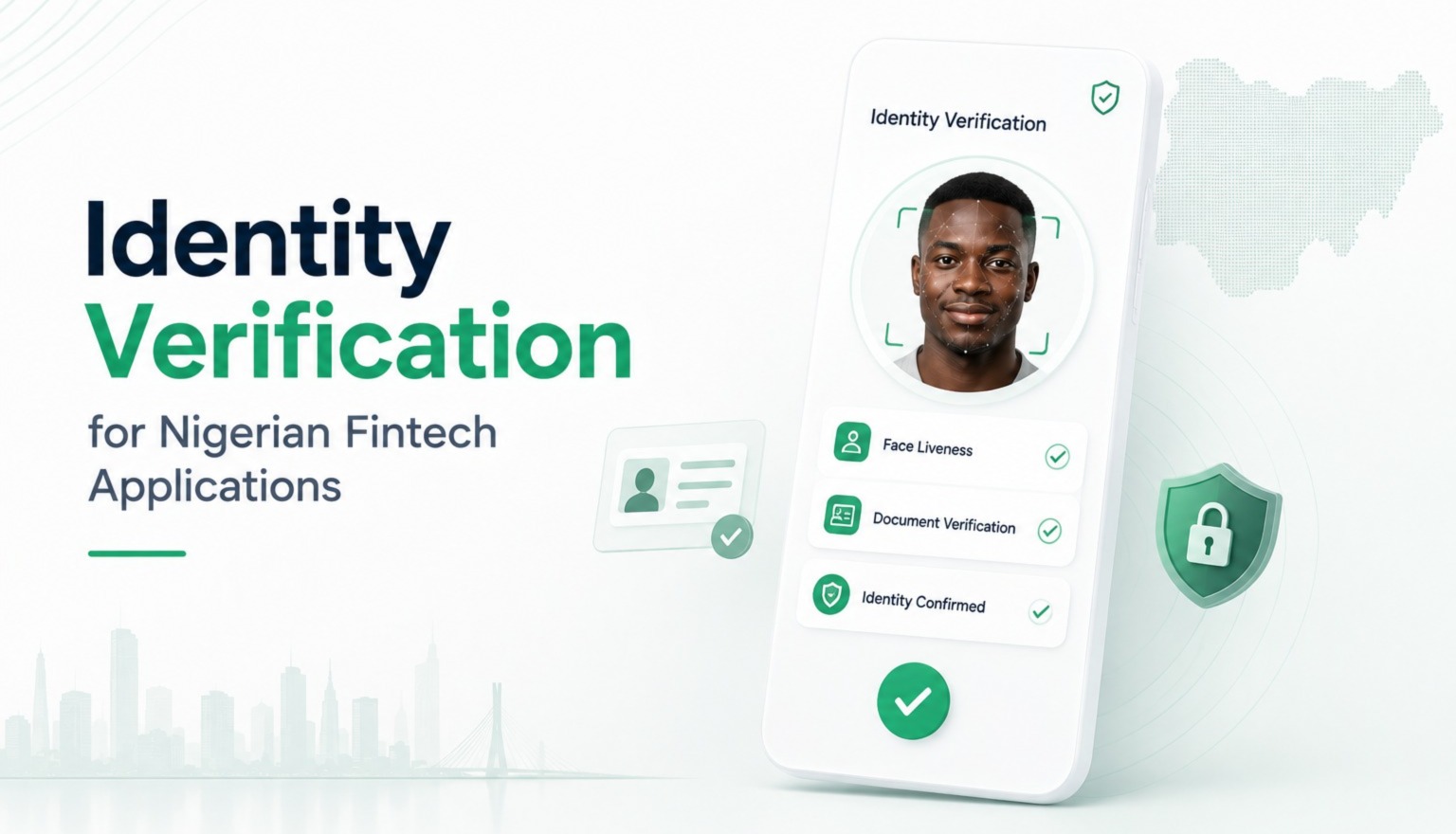
Learn how Nigerian fintech companies can build secure, scalable identity verification that reduces fraud while delivering a seamless customer experience.
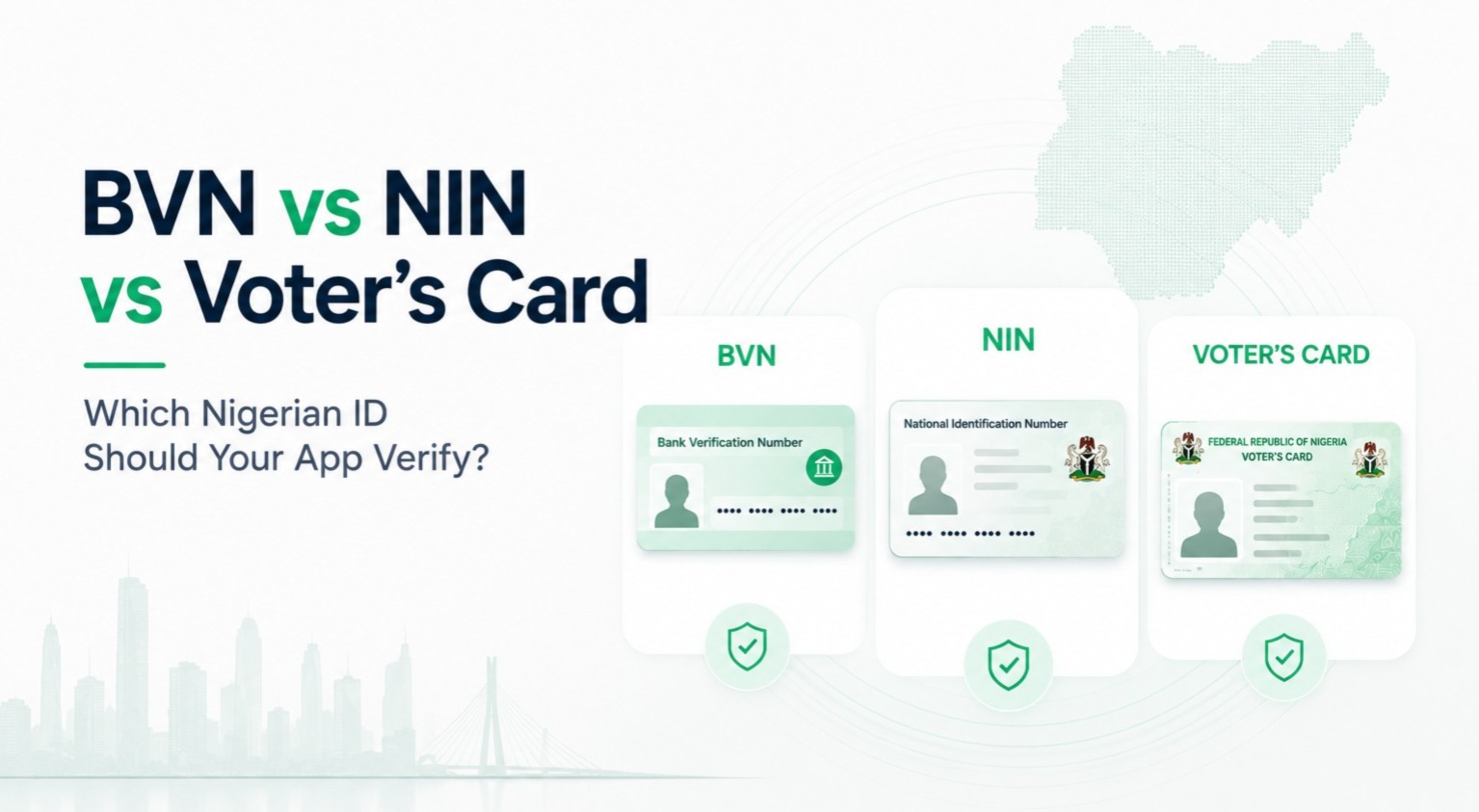
A clear comparison of BVN, NIN, Driver's Licence, Passport, and Voter's Card for Nigerian KYC - what each proves, and which to collect at each verification step.
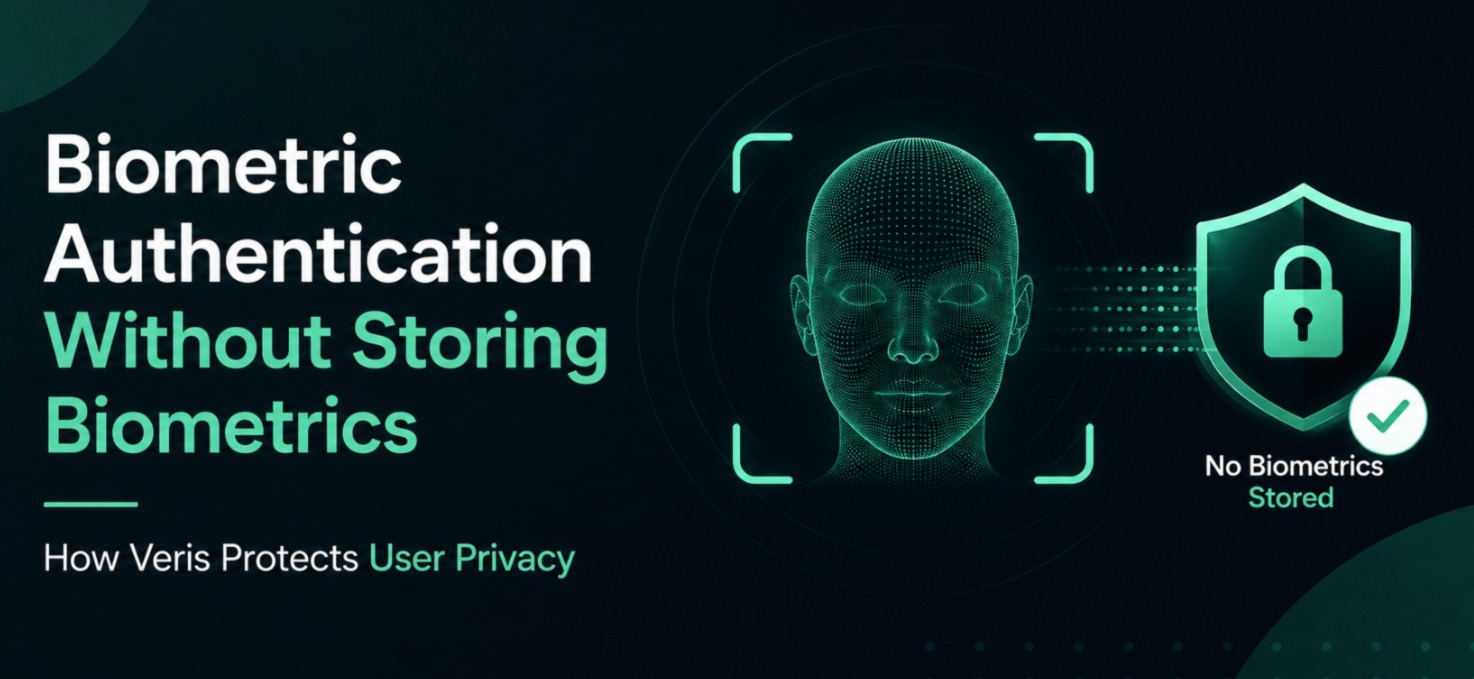
Learn how modern biometric authentication can improve security without creating permanent biometric databases or compromising user privacy.
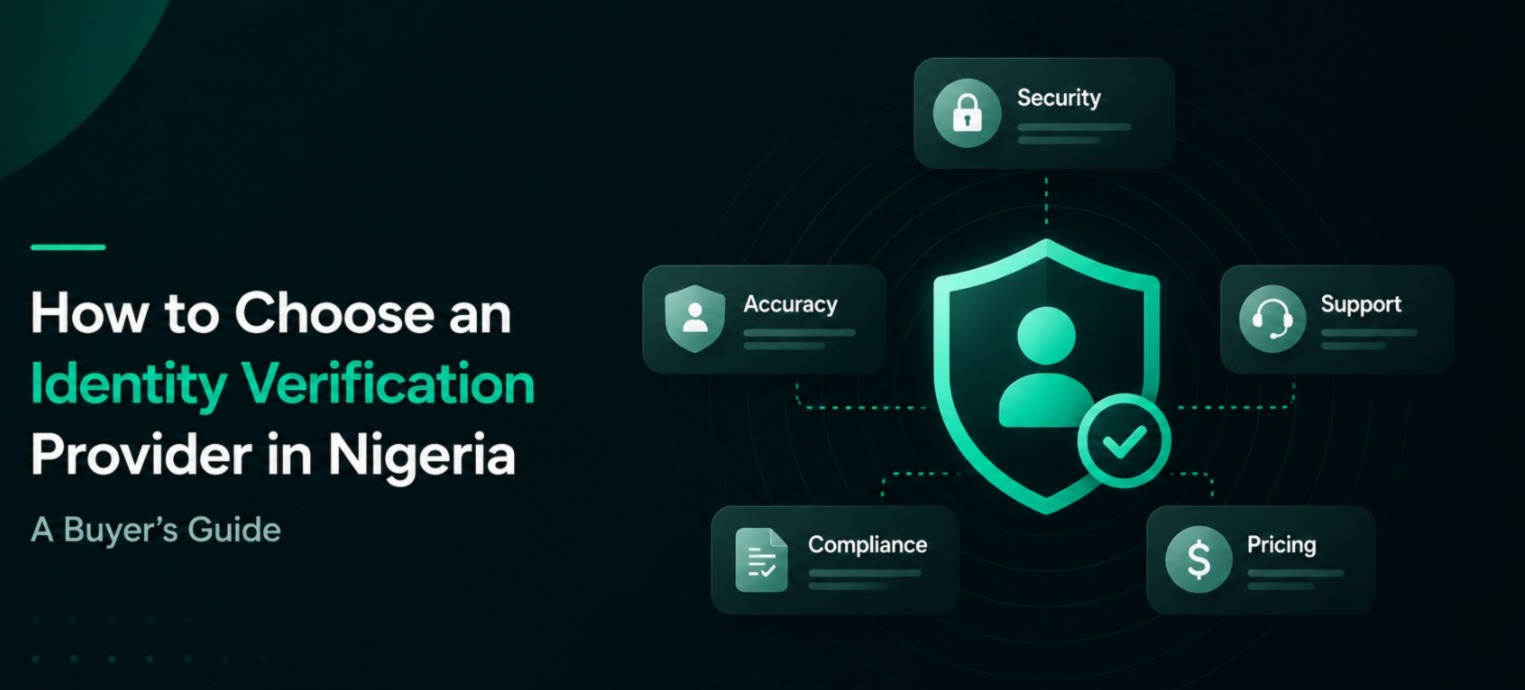
A practical framework for choosing an identity verification provider in Nigeria - the criteria that actually matter and the questions to ask before you commit.
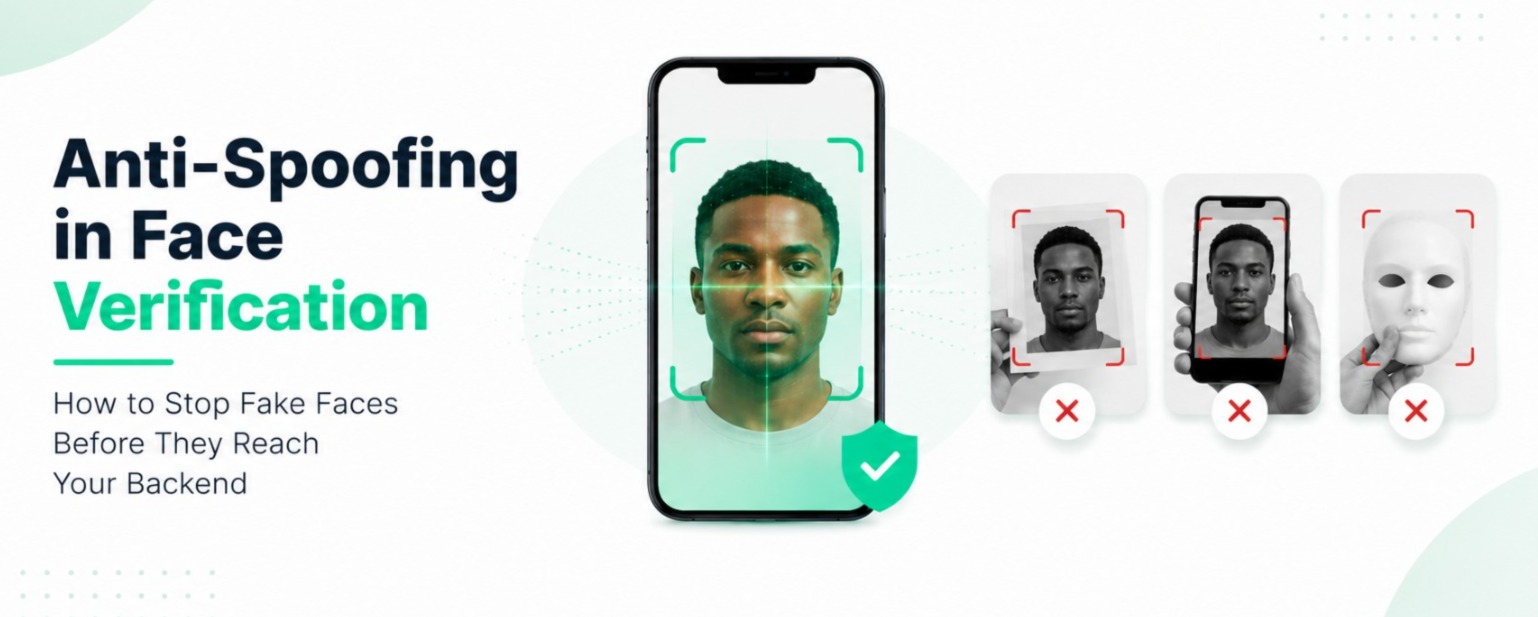
Learn how anti-spoofing protects face verification systems against photos, replay attacks, masks, and deepfakes before they become security incidents.
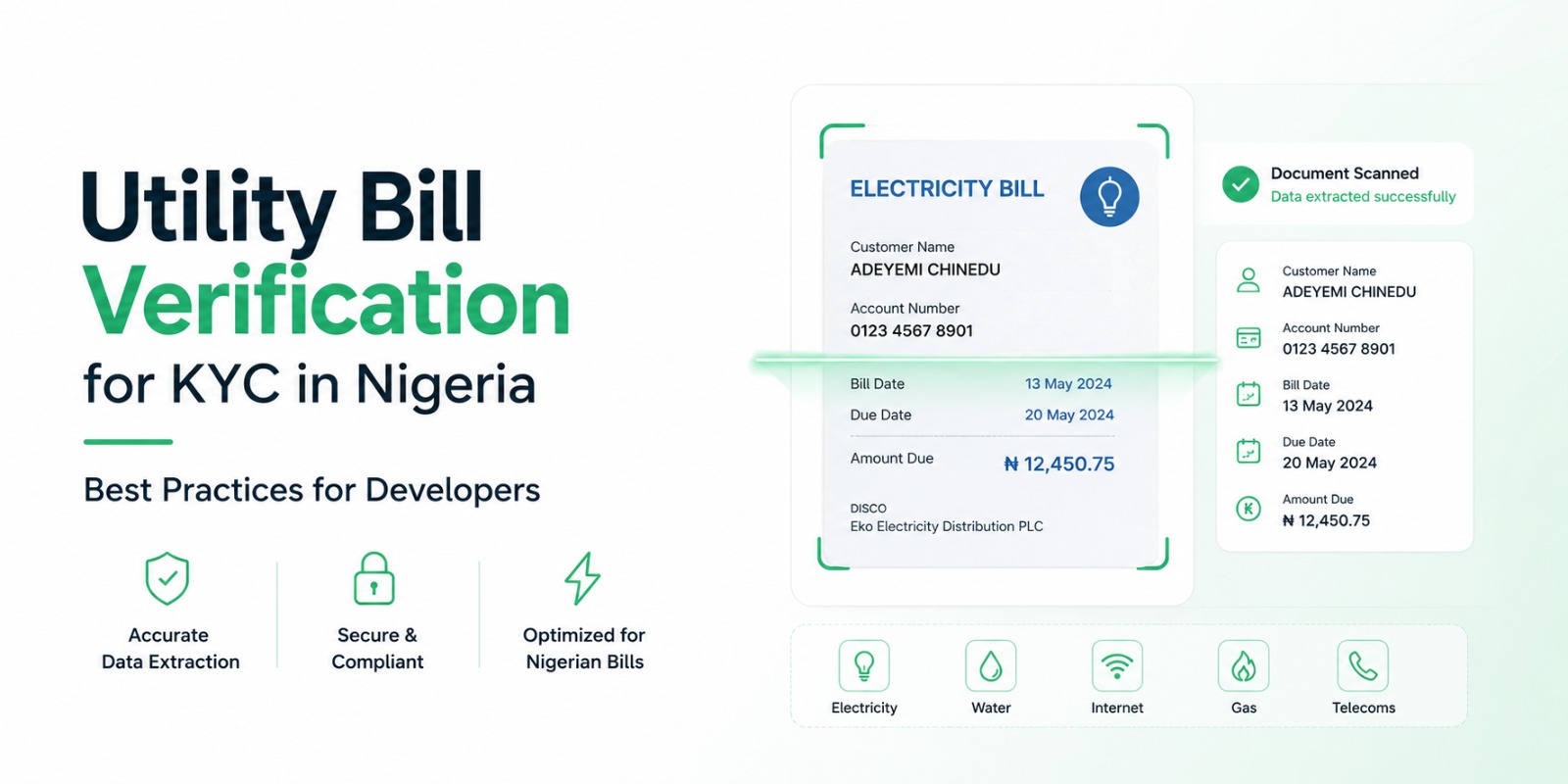
Learn how to implement utility bill verification for Nigerian KYC workflows using OCR, document quality checks, and secure identity verification.
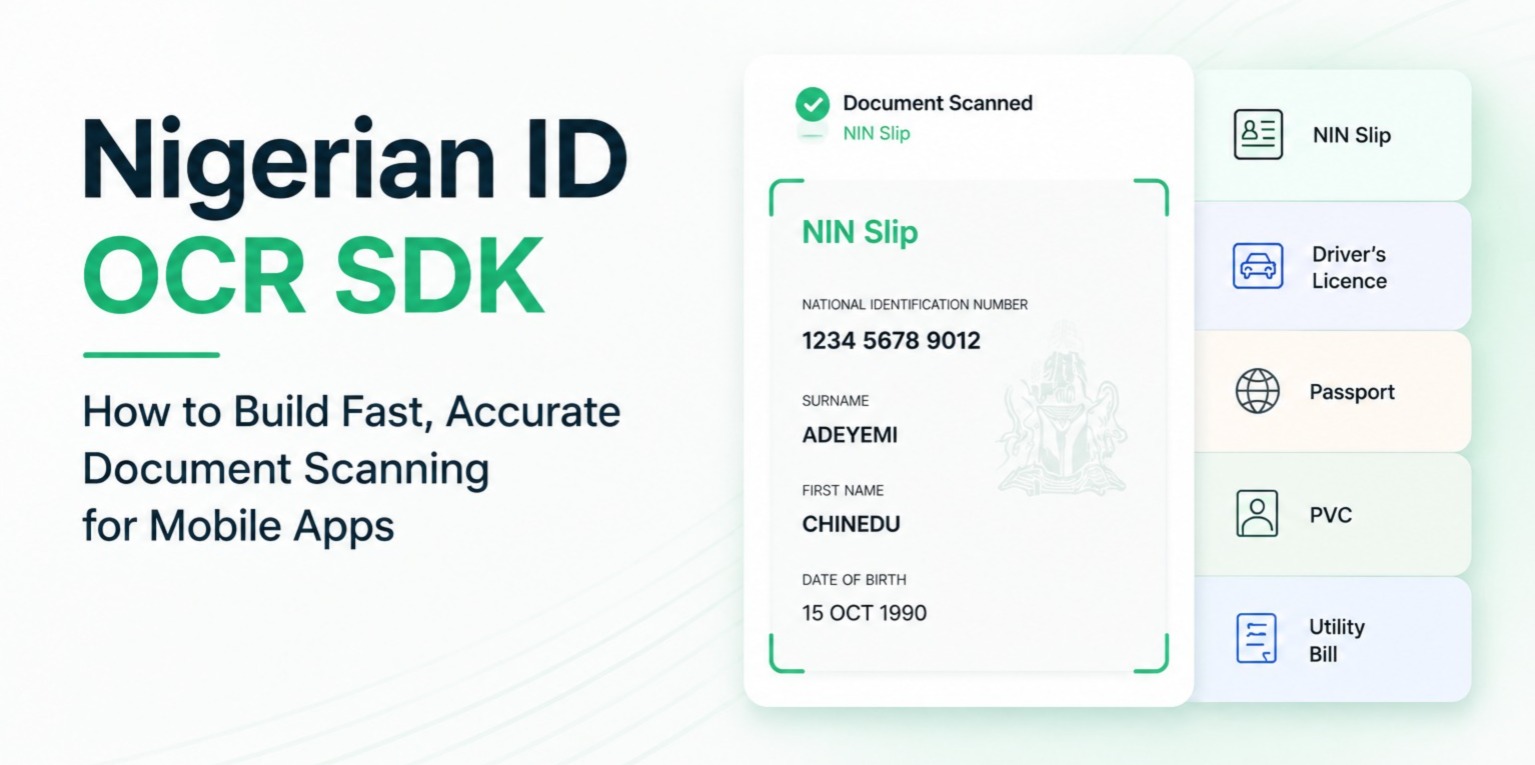
Learn how to build a reliable Nigerian ID OCR experience that performs well on real mobile devices and supports modern KYC onboarding.
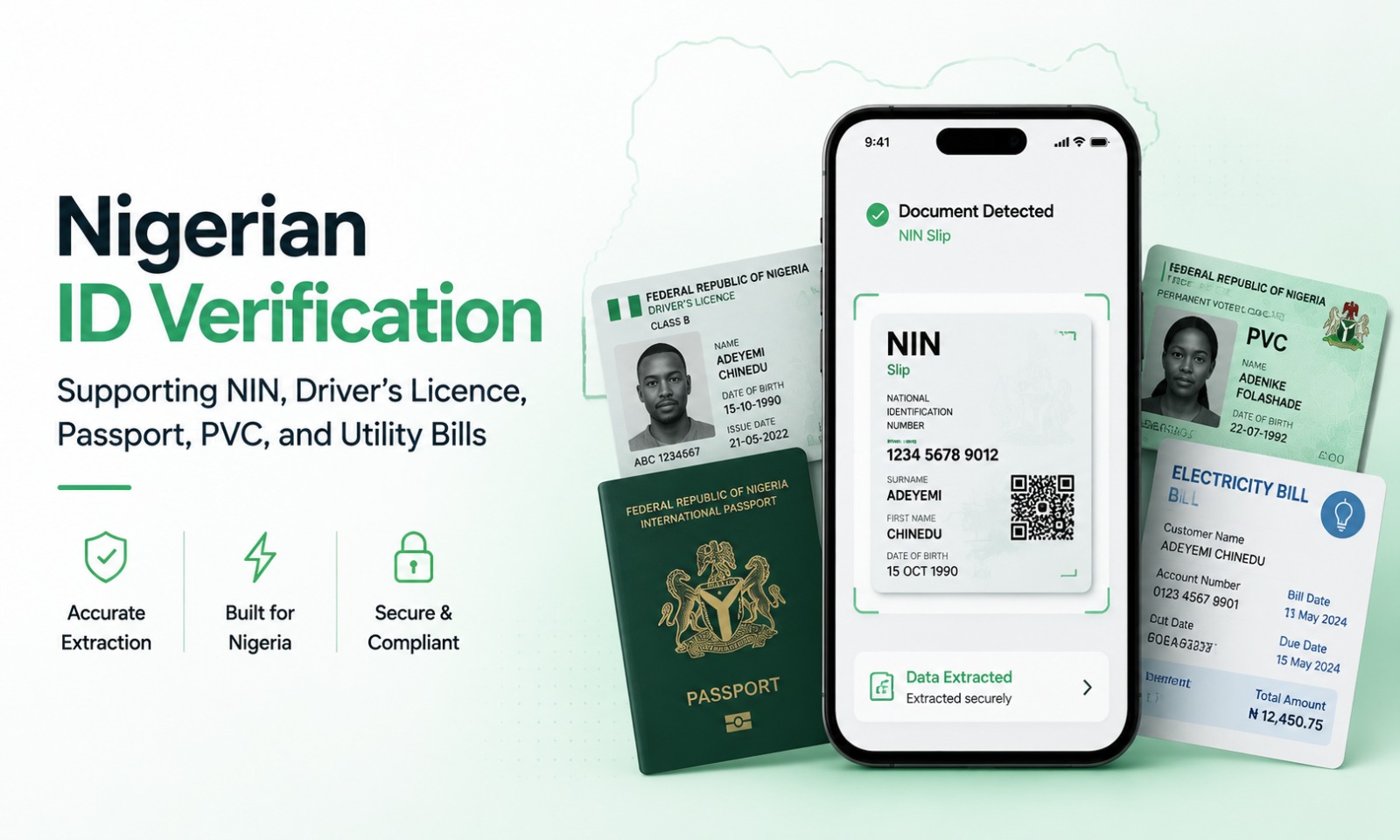
Learn how to build reliable Nigerian identity document verification with OCR, document validation, and secure onboarding workflows.
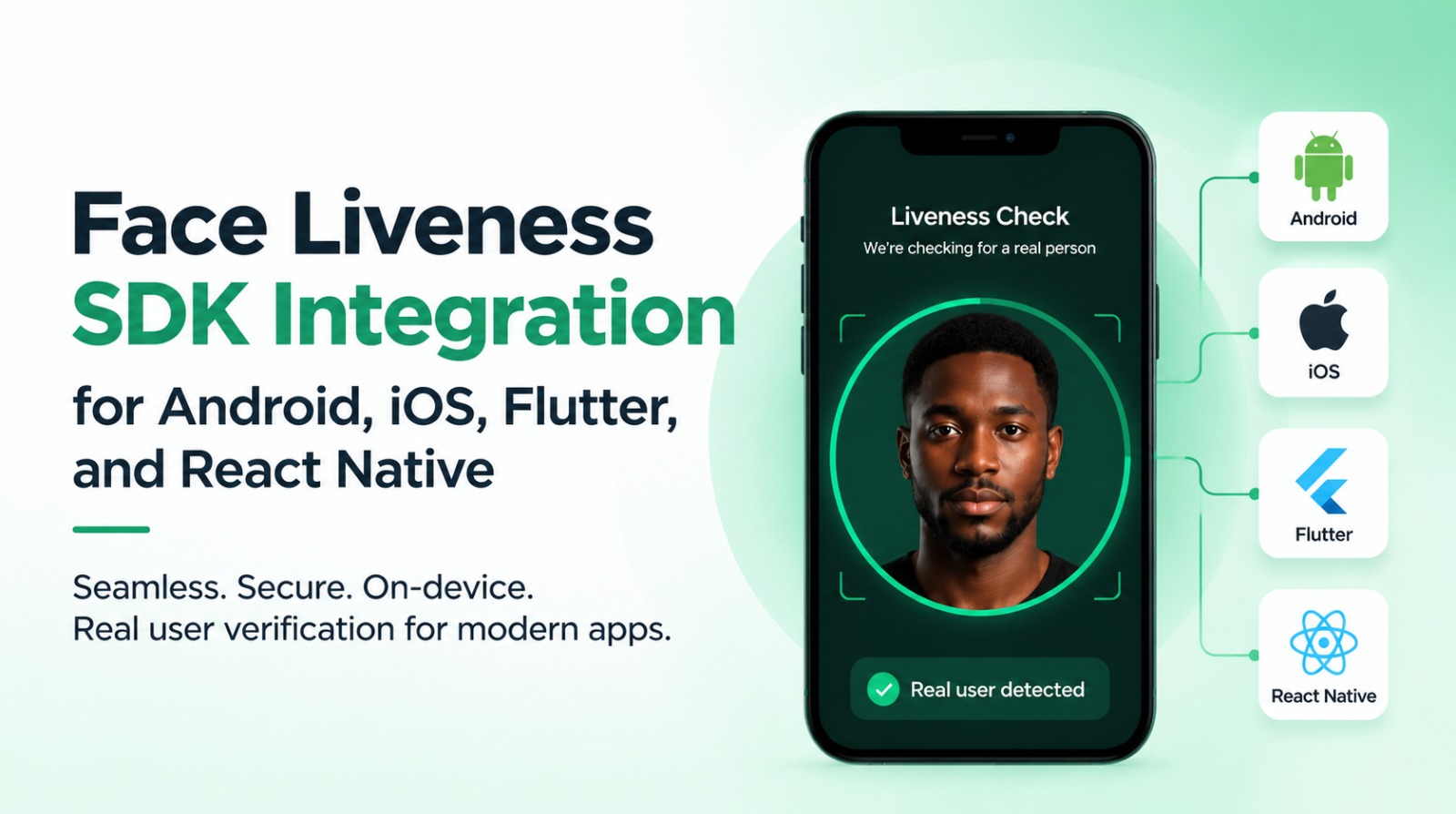
Learn how to integrate a face liveness SDK into your mobile application while keeping onboarding fast, secure, and privacy focused.
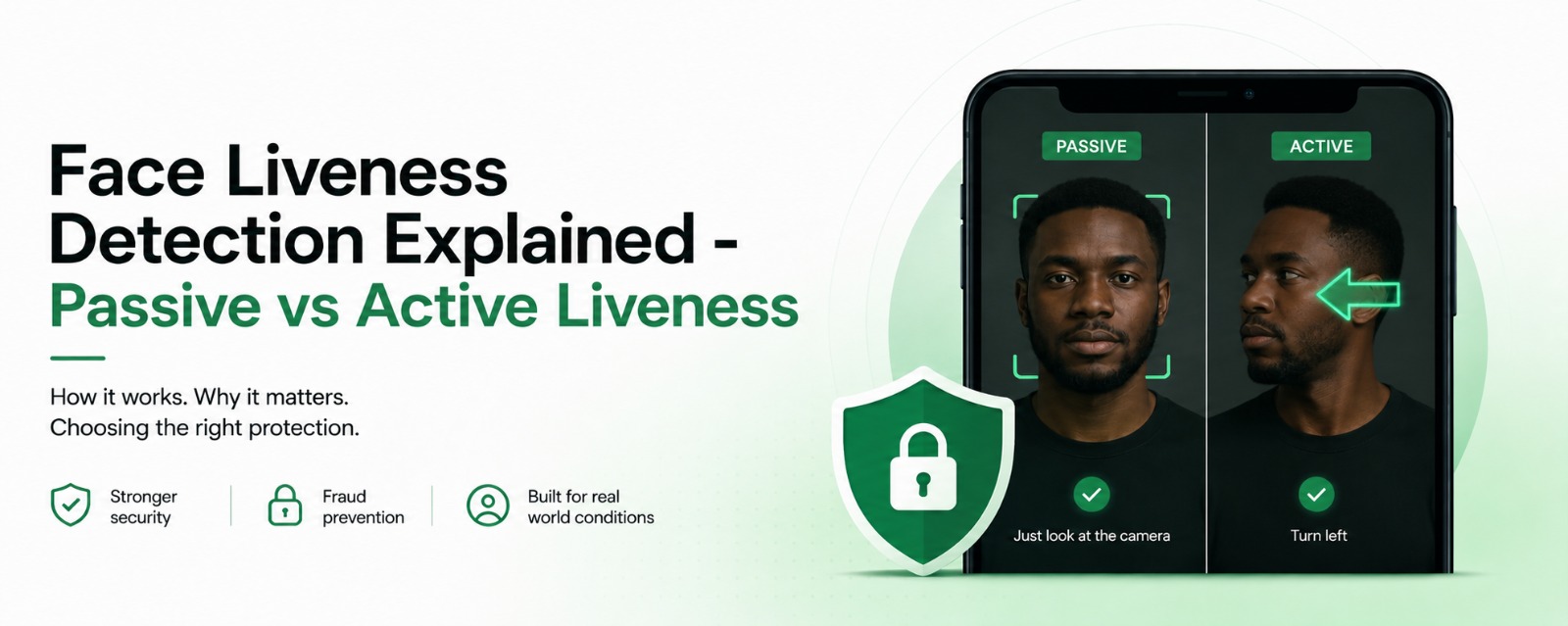
Learn how passive and active face liveness detection work, when to use each approach, and how to protect your onboarding flow against spoofing attacks.
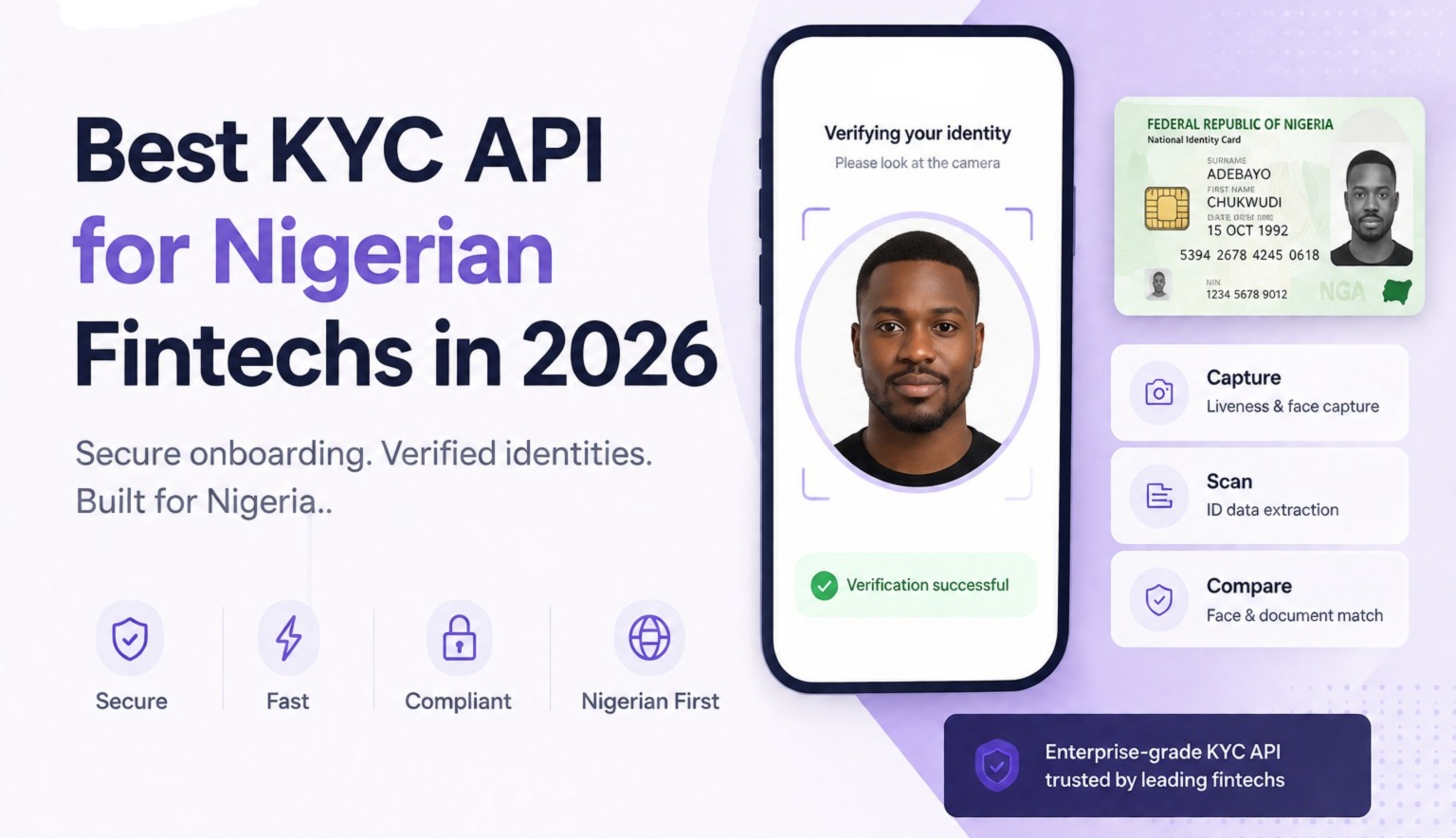
Choosing a KYC API in Nigeria means navigating per-call pricing that punishes growth, biometric storage that keeps compliance teams up at night, and OCR that can’t read a laminated NIN slip. This comparison helps you pick what actually matters.
New articles on identity verification, liveness detection, SDK architecture, and compliance for African developers — delivered when published.