Imagine you’ve just launched your digital wallet.
Marketing is working.
Downloads are climbing.
Everything feels like it’s about to take off.
Then you check the numbers.
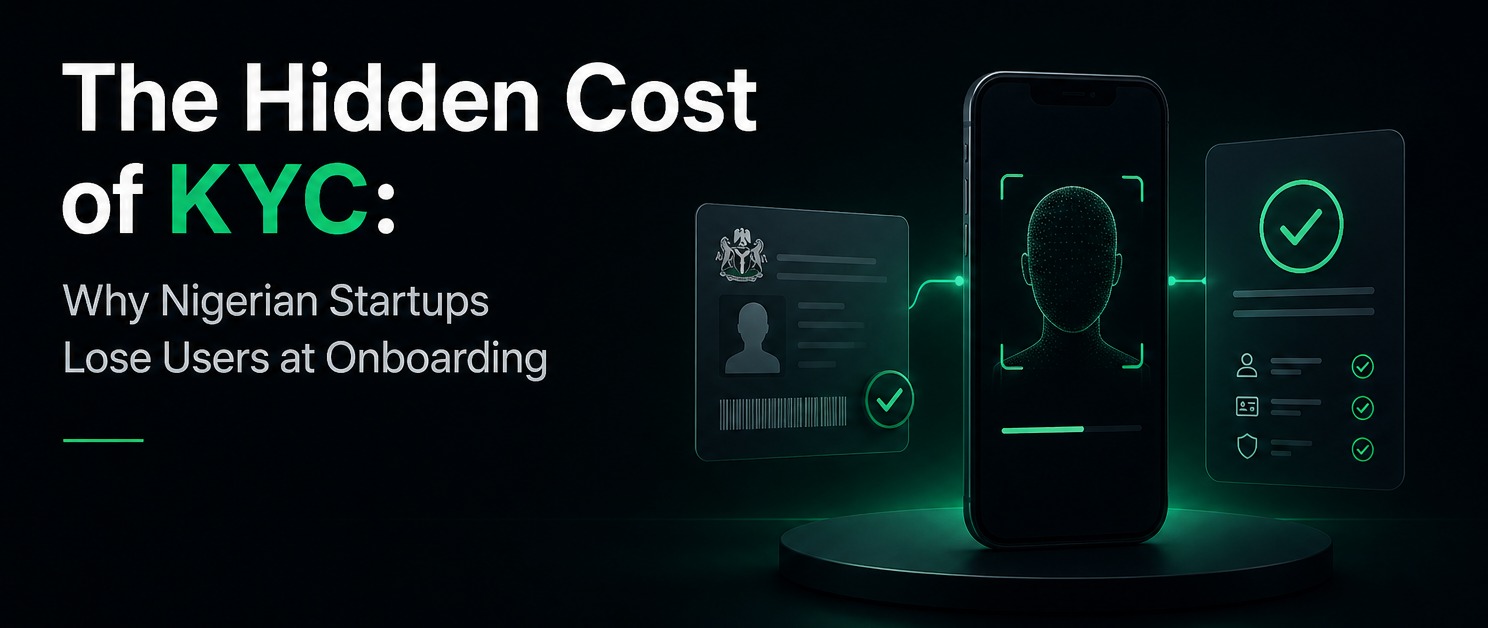
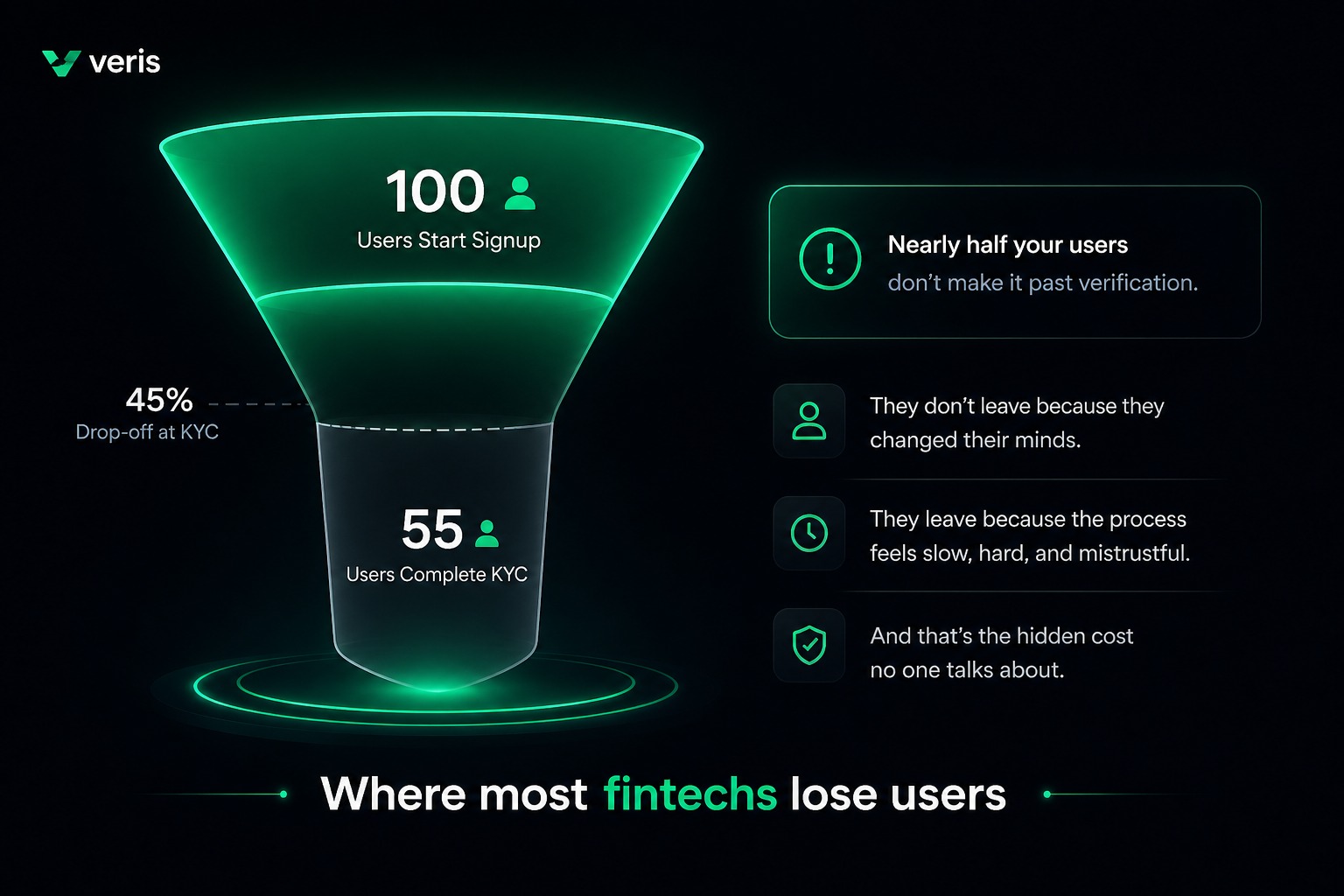
Out of every 100 users who start signup, only 55 complete KYC.
Nearly half of your users are gone, before they ever see your product.
And they didn’t leave because they lost interest.
They left because verification felt like work.
Slow.
Confusing.
Mistrustful
This isn’t hypothetical.
It’s happening across Nigerian fintech, lending, and digital platforms today.
And it’s a cost almost no one talks about.
THE REAL PRICE OF FRICTION
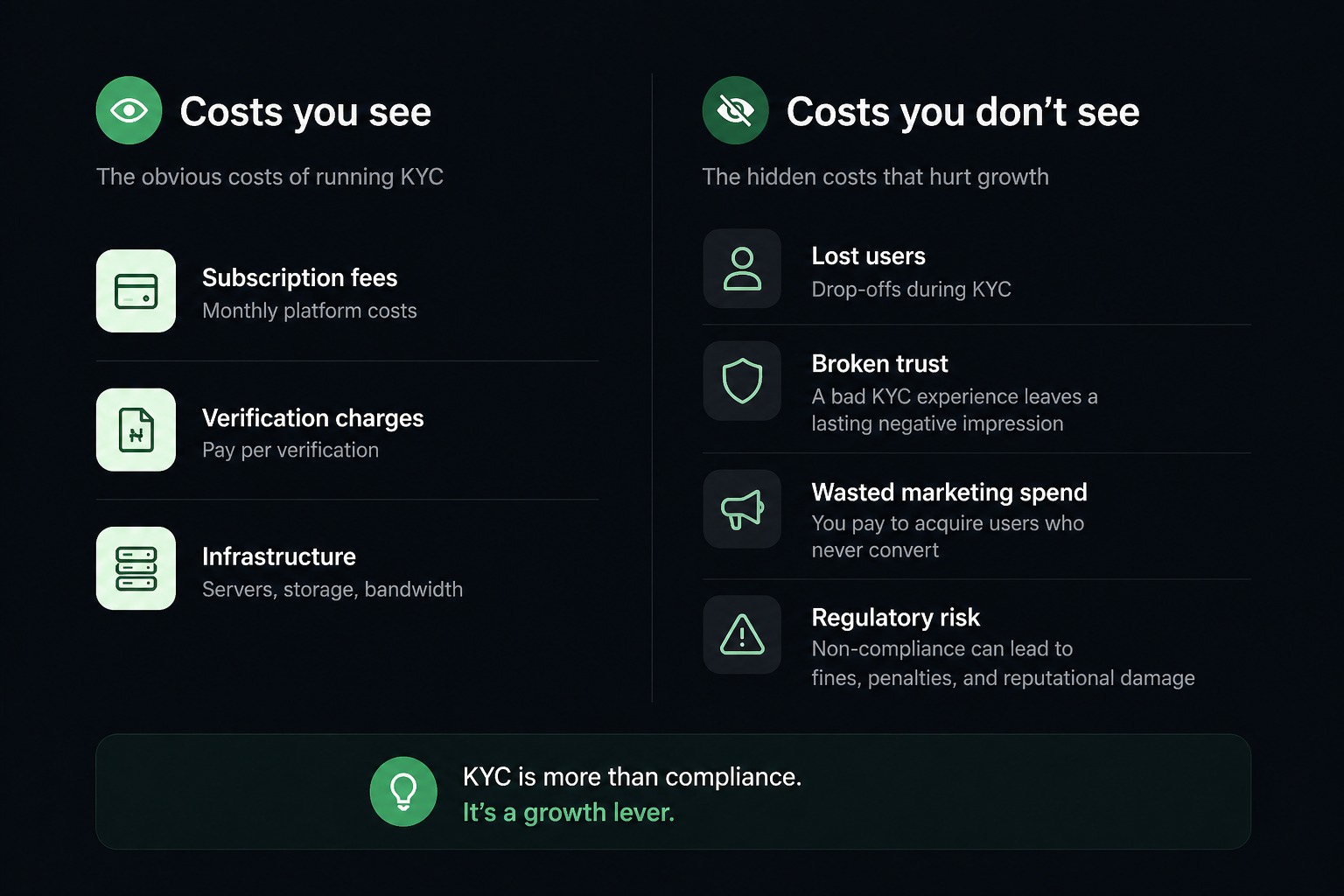
When founders think about KYC cost, they think:
API pricing
verification fees
But that’s not the real cost.
The real cost is what you lose:
Lost users
- Every abandoned signup is a customer that never returns.
Broken trust
- A frustrating first experience signals: “This product isn’t for you.”
Wasted marketing spend
- You paid to acquire users who never convert.
Regulatory risk
- Incomplete or rushed KYC can trigger issues with:
For a bootstrapped startup, losing 40% at onboarding isn’t a UX issue.
It’s survival.
WHY KYC IS HARD IN NIGERIA
This isn’t just bad design.
The environment is different.
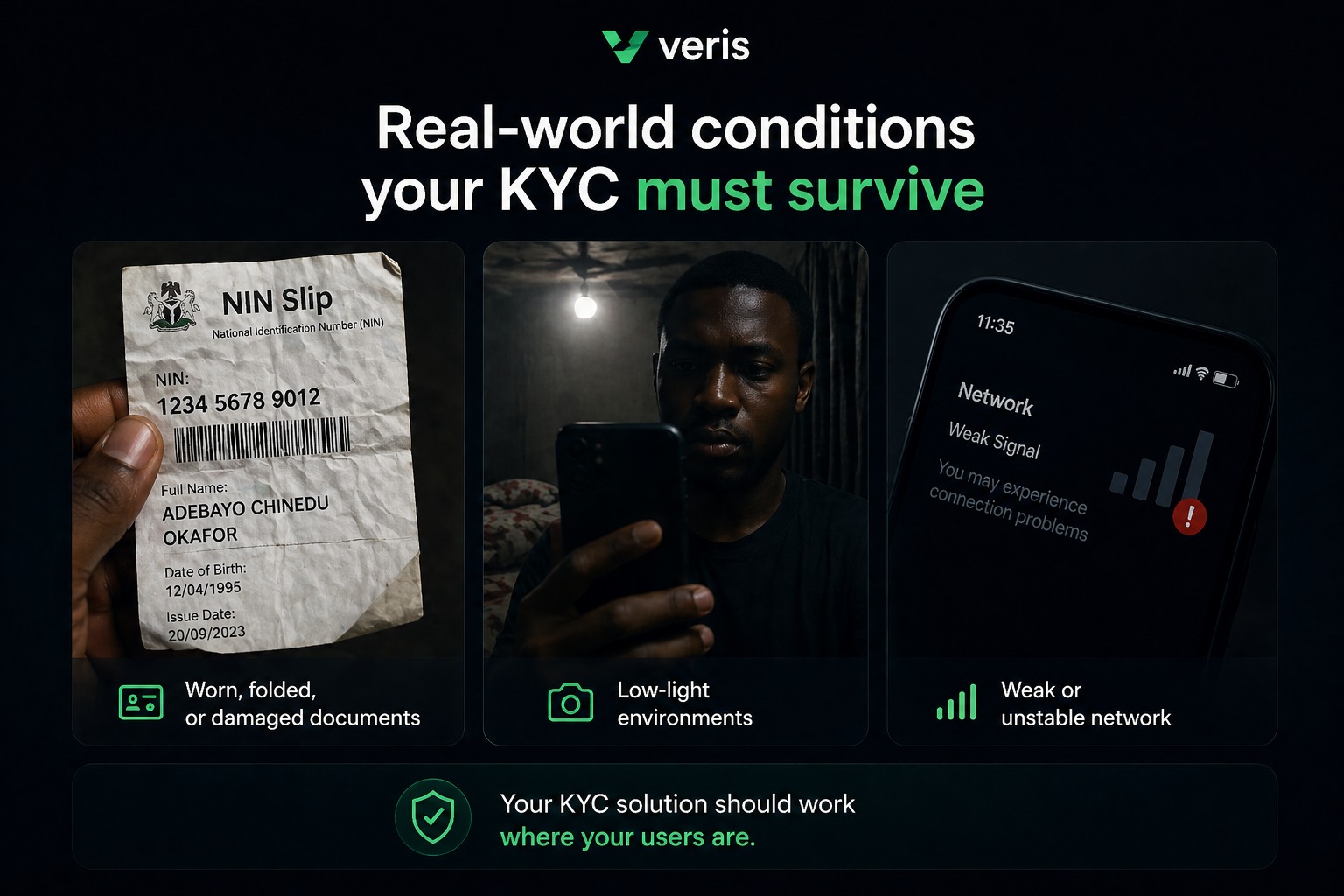
1. Documents are messy (and real)
NIN slips get folded, laminated, faded.
Driver’s licences vary.
Voter’s cards are dense.
Most global OCR systems were trained on clean, perfect documents.
They fail here.
2. Liveness checks feel like a test
"Blink twice."
"Turn left."
"Smile."
That assumes:
good lighting
stable network
patience
Most users don’t have all three.
3. Compliance is unclear
You’re juggling:
CBN KYC tiers
NDPA data rules
And still asking:
"What exactly do I need to collect?"
4. Devices and networks are inconsistent
Your user is not on:
iPhone 15
perfect 5G
They’re on:
mid-range Android
unstable network
Your system has to handle that reality.
THE SHIFT: KYC AS PRODUCT, NOT COMPLIANCE
KYC doesn’t have to feel like a barrier.
When done right, it builds trust.
A smooth verification says:
“We respect your time.”
A bad one says:
“We didn’t think about you.”
The best fintechs in Nigeria don’t treat KYC as a checkbox.
They treat it as part of the product experience.
WHAT GOOD KYC LOOKS LIKE
A strong KYC flow feels almost invisible.
Here’s what that looks like:
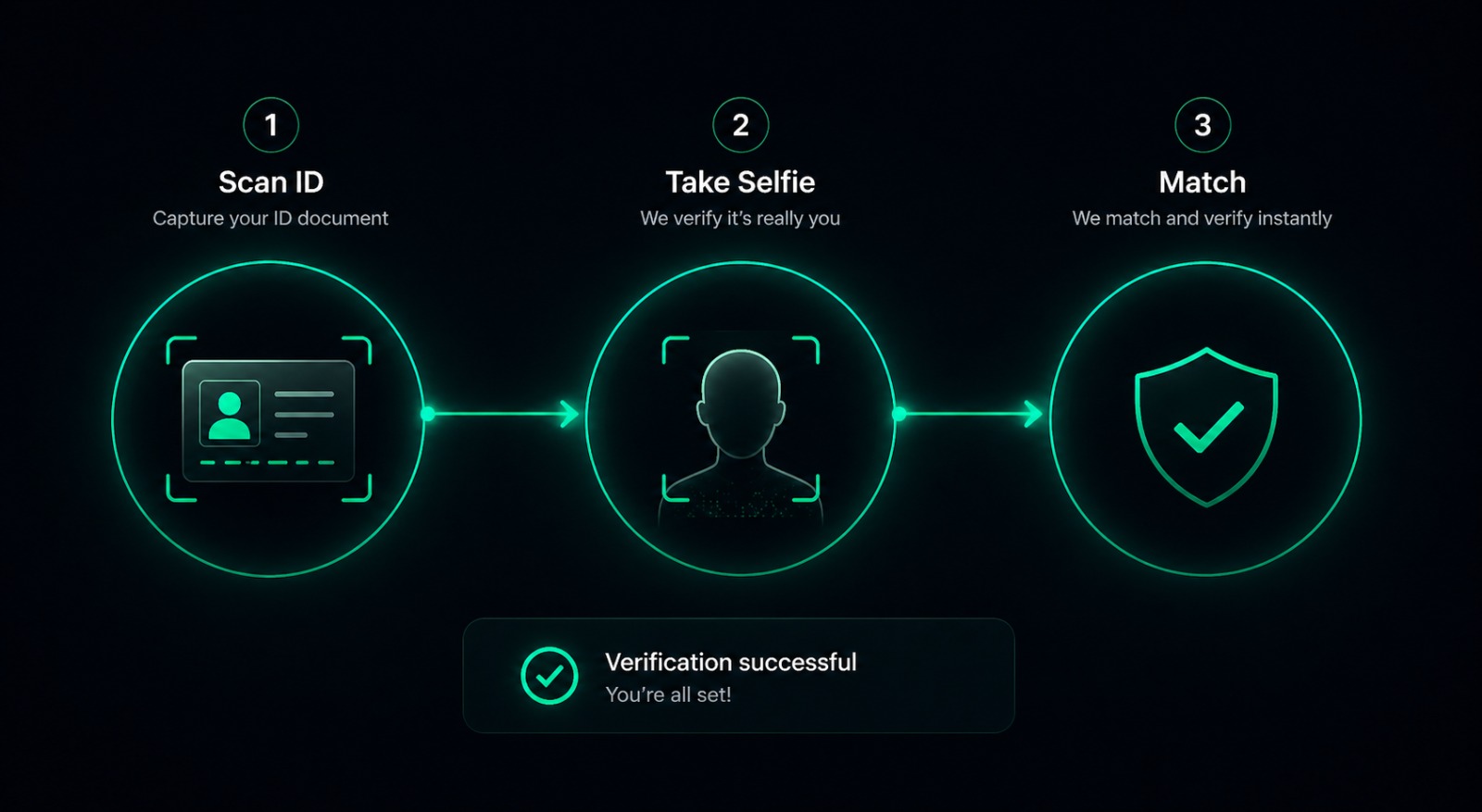
1. Document capture that actually works
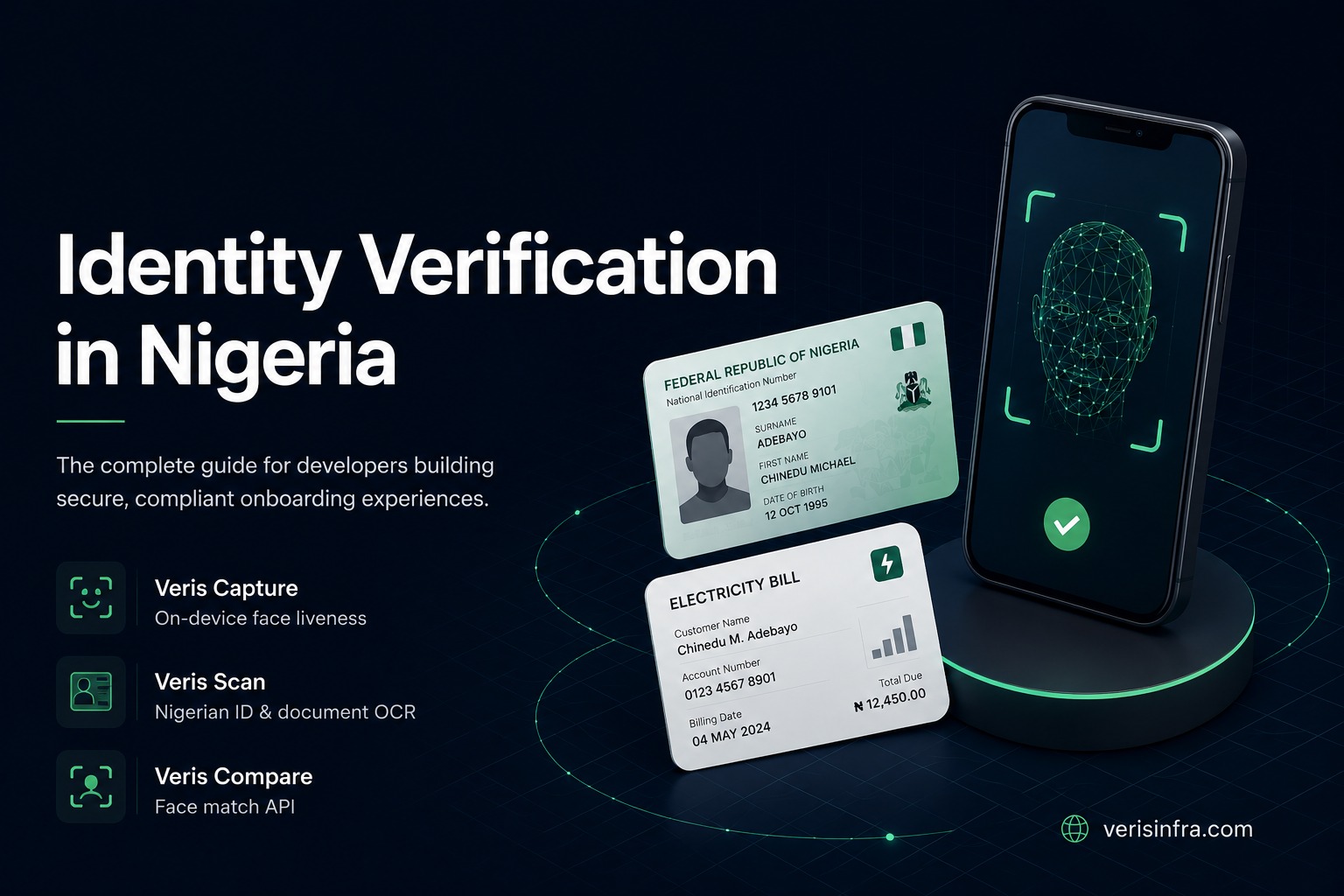
Instead of typing everything manually, users scan their ID.
Behind the scenes:
OCR trained for Nigerian documents
extracts structured data
reduces errors
No friction. No guessing.
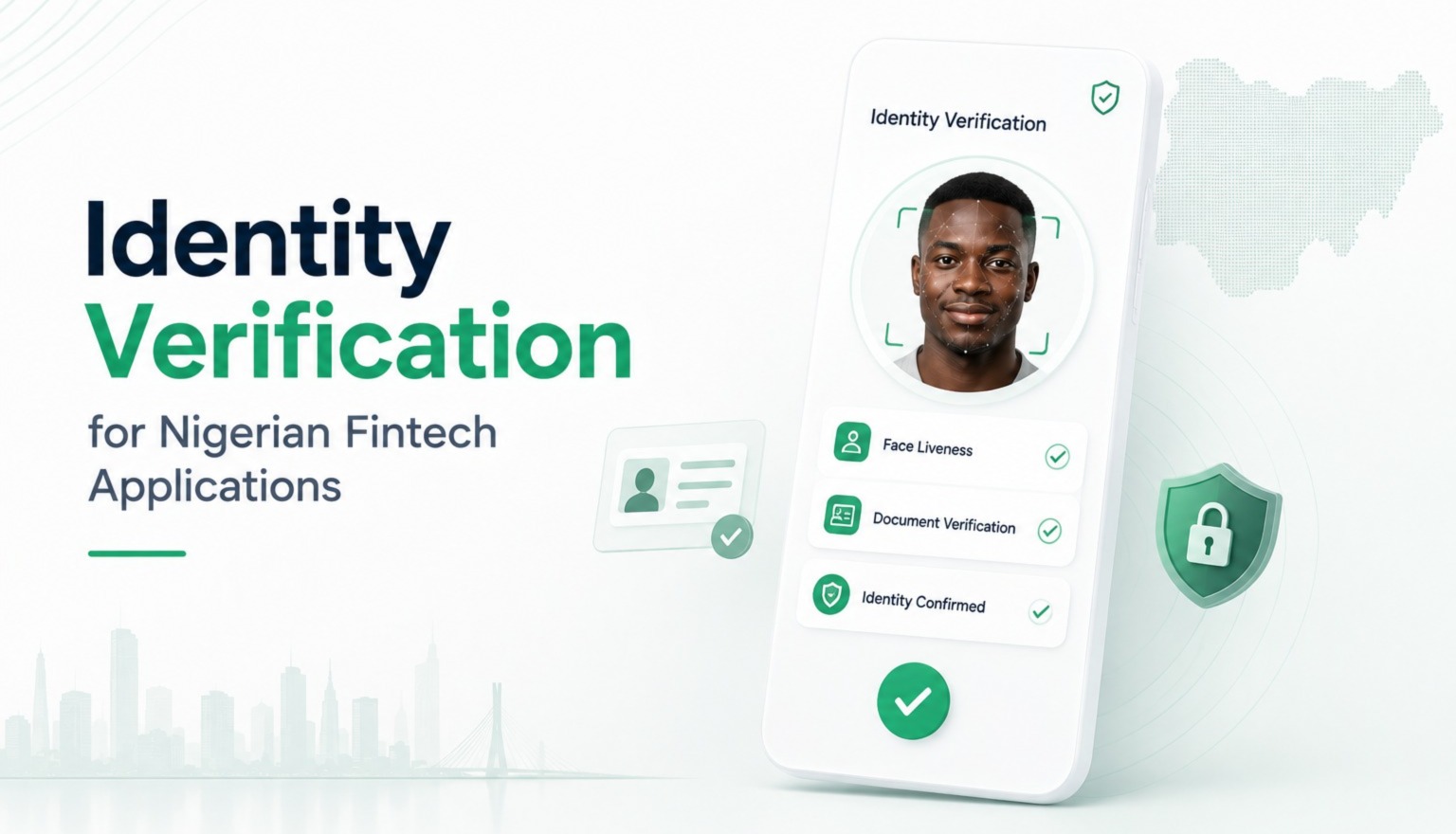
2. Face capture like a selfie
No instructions. No stress.
Just:
open camera
capture automatically
Behind the scenes:
passive liveness detection
works in normal lighting
no “blink/turn head” nonsense
Even better:
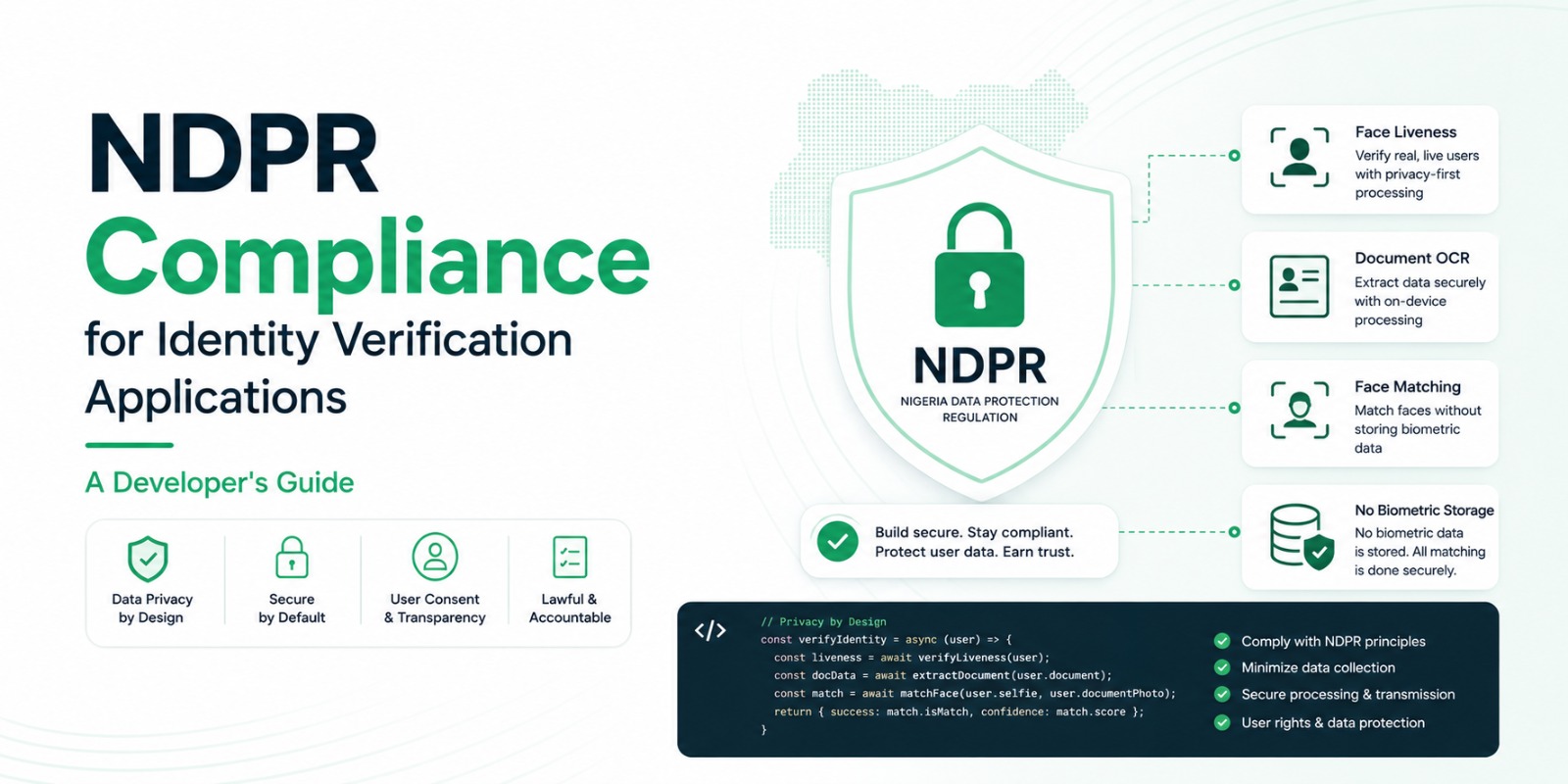
processing happens on-device
no raw face storage
That’s security and compliance combined.
3. Face matching in seconds
ID face vs selfie
instant comparison
decision in milliseconds
And the result is:
cryptographically signed
audit-ready
KYC IS A GROWTH LEVER
Here’s the part most teams miss.
A user who completes KYC:
has invested effort
trusts your system
is more likely to transact
So when you reduce drop-off:
You don’t just keep users.
You increase ROI on every marketing naira.
KYC stops being a cost.
It becomes leverage.
BUILD VS BUY
Building KYC yourself means:
OCR models
liveness detection
face matching
compliance logic
audit trails
That’s months of work.
And constant maintenance.
Or:
You integrate a single SDK.
Same capabilities.
Less engineering time.
Predictable cost.
THE BOTTOM LINE
KYC isn’t optional.
But bad KYC is.
Your users are not refusing to verify.
They’re refusing to struggle through bad systems.
Fix that - and you unlock growth.
Ready to build a KYC flow your users actually complete?
Try Veris.
If you're building in fintech, identity, or payments, this is a conversation worth having.
We share practical insights like this regularly:
👉 Follow Veris on LinkedIn: https://www.linkedin.com/company/verisinfra/
Frequently asked questions
Why do users abandon KYC onboarding?
Usually because of friction: too many steps, slow or failed camera captures, unclear guidance, and heavy apps that struggle on low-end phones. Passive liveness, automatic document capture, and on-device processing remove most of it.
Does stronger KYC always mean higher drop-off?
No. Drop-off comes from bad UX, not from security. On-device passive liveness and automatic field extraction let you stay both secure and fast.
How do I find where users drop off during verification?
Track completion rate at each step. The biggest losses are almost always document capture and liveness, so instrument those stages first.